











01. Program Overview / Key Features
Program Overview
The UTokyo Global Unit Courses (UTokyo GUC) is a short-term, intensive summer program organized by the Center for Global Education at the University of Tokyo.
Designed primarily for university students worldwide, UTokyo GUC offers a unique opportunity to study at Japan’s leading academic institution.
All courses are taught by the University of Tokyo professors and are conducted entirely in English.
The program spans approximately six weeks, from mid-June to late July, and is divided into three terms, each lasting two weeks.
Students can directly apply for and choose one or more courses across different terms, provided the schedules do not overlap.
The program's small class sizes, typically around 20 students, allow for a personalized and engaging learning experience.
Enrollment in each course is selective, with participants chosen through a screening process to maintain high academic standards.
Upon successful completion of their courses, students will receive a Global Unit Certificate for each course, which includes a grade and the number of Global Units earned.
These units may be eligible for transfer as credits, depending on the policies of the student’s home institution.
Key Features
High Academic StandardsAll courses in the UTokyo GUC are taught by leading scholars of the University of Tokyo.
Small class sizes, typically around 20 students, foster interactive discussions and provide opportunities for closer student-professor engagement.
Diverse Course Offerings
UTokyo GUC offers a broad range of courses across various disciplines, from the humanities to STEM.
These include, depending on the course, lectures, design workshops, lab tours, research activities, campus visits, fieldwork, and more, each ensuring a rich and well-rounded academic experience.
Additionally, UTokyo students will serve as teaching assistants, offering further support and engagement in class.
Flexible Learning Opportunities
Students have the flexibility to select multiple courses across different terms, tailoring their schedules to best fit their interests and academic goals.
Experience Life in Tokyo
Study at the University of Tokyo’s exciting campuses, with access to outstanding facilities such as libraries and study spaces.
The two campuses—Hongo and Komaba—are centrally located, close to some of the most famous cultural and commercial districts of Tokyo.
Students are required to arrange their own accommodations, allowing them to choose options that suit their individual needs.
02. Schedule / Course Offerings
UTokyo GUC 2026 Program Schedule
| Information Available | Early January |
| Application Period | Early February – 16:00 (Japan Standard Time) on Monday, March 16, 2026 |
| Screening Results Announcement | Thursday, April 16, 2026 *For further details, please refer to the “07. Application” section. |
| Payment Deadline | 16:00 (Japan Standard Time) on Thursday, April 23, 2026 |
| Program Period | Monday, June 08 – Monday, July 27 |
| Issuance of Global Unit Certificates | Late September |
UTokyo GUC 2026 Timetable
- UTokyo GUC 2026 | Timetable - Updated on 2026.05.01
UTokyo GUC 2026 Course Offerings
Thank you for your interest in our program!We are pleased to share the latest updates on GUC 2026, featuring new and continuing academic opportunities, from which applicants may freely select their preferred course(s):
• 2026 Featured Course:
“Museums in Contemporary Japan” focuses on museums in Tokyo as cultural institutions in contemporary Japan.
The course examines museums in Tokyo as cultural institutions in contemporary Japan, introducing key perspectives from museology and museum studies through field-based learning.
• Continuing 2-Unit Courses:
Beginning with the highly popular AI-related course, the program will continue to offer 2-unit courses in 2026, offering academic flexibility for students, particularly those from institutions where credit transfer is possible.
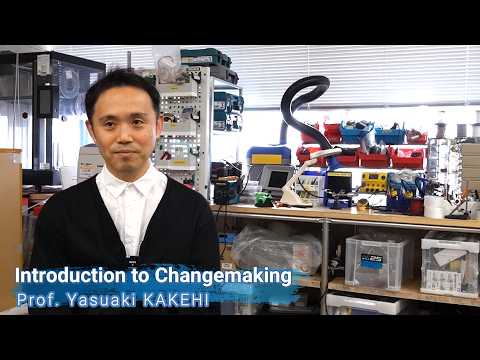
Building on last year’s design-focused 2-unit course, the same faculty members will newly offer “Introduction to Changemaking” and “Design for Social Impact”, both of which emphasize problem-solving, creativity, and social engagement.
• New Course Offerings:
The 2026 program introduces new courses that explore themes such as natural resources and the environment, political economy, and global perspectives, as well as Japanese politics, international relations, and contemporary society, providing students with opportunities to examine pressing issues in both global and Japanese contexts.
• Continuing Courses:
Courses that have been well received in previous years will continue to be offered, featuring a range of learning activities such as fieldwork, workshops, hands-on projects, lab tours, and in-class discussions, depending on the course.
-----
Introducing Newly Launched GUC Programs Starting from 2026:
In addition to on-campus courses, starting in 2026, UTokyo GUC is expanding learning opportunities beyond campus with new experiential programs!
Explore the links below for more details. For any inquiries, please contact the respective program directly.
▶ UTokyo Global Unit Courses: Field Study Program
▶ UTokyo Global Unit Courses: Internship Experience Program
| Course Code | Campus | Course Title | Instructor | Number of sessions (1session=90min) |
Global Units |
|---|---|---|---|---|---|
| GUC26S1111C | Hongo | Group Theory and Its Applications | Yukari ITO | 10 | 1 (In-person) |
| GUC26S1122C | Hongo | International Security of the Asia-Pacific | Yee Kuang HENG | 10 | 1 (In-person) |
| GUC26S1123C | Hongo | Introduction to School Education in Japan | Sam BAMKIN | 10 | 1 (In-person) |
| GUC26S1124C | Komaba | Introduction to Changemaking | Miles PENNINGTON | 20 | 2 (In-person) |
| GUC26S1131C | Hongo | Our Universe | Jia LIU | 10 | 1 (In-person) |
| GUC26S1231C | Hongo | Culture, Media and Society in Japan | Yuiko FUJITA | 10 | 1 (In-person) |
| Course Code | Campus | Course Title | Instructor | Number of sessions (1session=90min) |
Global Units |
|---|---|---|---|---|---|
| GUC26S2121C | Hongo | Early Language Acquisition: How Human Infants Learn Language Within Their Social Environment |
Sho TSUJI | 10 | 1 (In-person) |
| GUC26S2131C | Hongo | AI for Understanding Human Intelligence | Yukie NAGAI | 20 | 2 (In-person) |
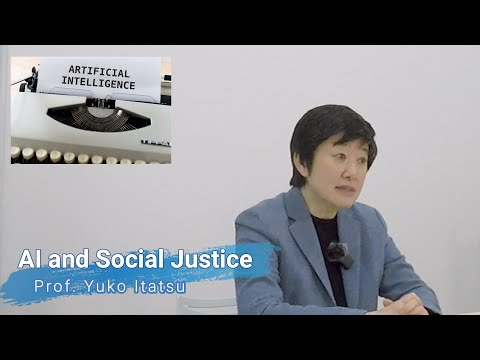
| GUC25S2132C | Hongo | AI and Social Justice | Yuko ITATSU | 10 | 1 (In-person) |
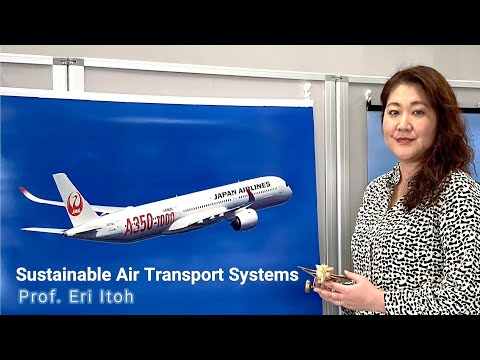
| GUC26S2133C | Komaba | Sustainable Air Transport Systems | Eri ITOH | 10 | 1 (In-person) |
| GUC26S2134C | Komaba | Design for Social Impact | Yasuaki KAKEHI | 20 | 2 (In-person) |
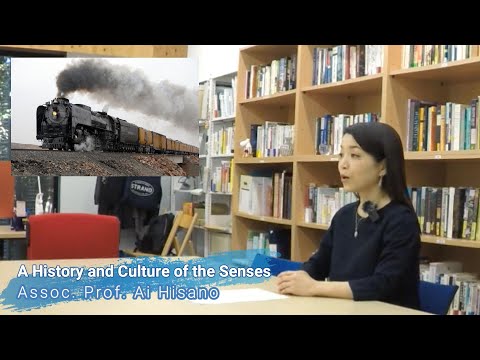
| GUC25S2142C | Hongo | A History and Culture of the Senses | Ai HISANO | 10 | 1 (In-person) |
| Course Code | Campus | Course Title | Instructor | Number of sessions (1session=90min) |
Global Units |
|---|---|---|---|---|---|
| GUC26S3111C | Komaba | Tissue Engineering and Stem Cell Technologies for Neuroscience | Yoshiho IKEUCHI | 10 | 1 (In-person) |
| GUC26S3122C | Hongo | Modern Japanese History | Michael FACIUS | 10 | 1 (In-person) |
| GUC26S3123C | Hongo | Japanese Politics in a Changing World | Kenneth Mori MCELWAIN | 10 | 1 (In-person) |
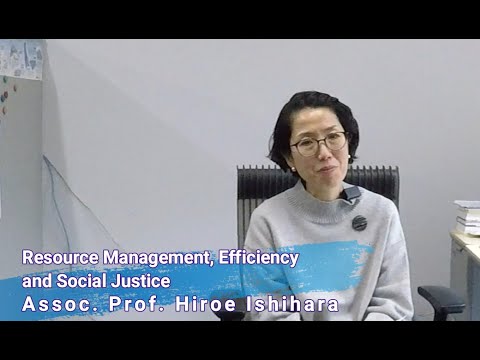
| GUC26S3131L | Online | Resource Management, Efficiency and Social Justice: Both Perspectives from Economics and Sociology | Hiroe ISHIHARA | 5 | 0.5 (Online) |
| GUC26S3133C | Field Trip | Museums in Contemporary Japan | Ayumi TERADA | 10 | 1 (In-person) |
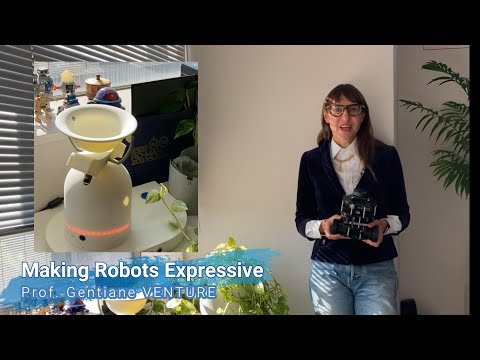
| GUC26S3141C | Hongo | Making Robots Expressive | Gentiane VENTURE | 10 | 1 (In-person) |
| GUC26S3151C | Hongo | Politics of Natural Resources and Environment: The "Resource Curse" and Beyond | Naosuke MUKOYAMA | 10 | 1 (In-person) |
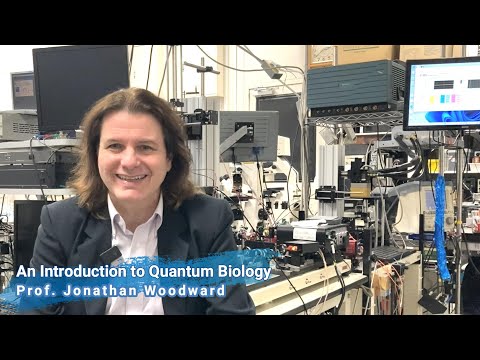
| GUC26S3211C | Hongo | An Introduction to Quantum Biology | Jonathan WOODWARD | 10 | 1 (In-person) |
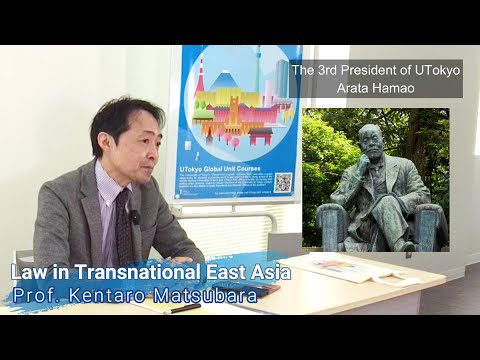
| GUC26S3242C | Hongo | Law in Transnational East Asia | Kentaro MATSUBARA | 10 | 1 (In-person) |
Japanese Language Courses:
| Course Code | Term | Course Title | Instructor | Number of sessions (1session=90min) |
Global Units |
|---|---|---|---|---|---|
| GUC26S014JL | Term 0 | Survival Japanese (Beginner Level) [Term0] | Japanese Language Education Division, Center for Global Education (GlobE) | 5 | 0.5 (Online) |
| GUC26S121JL | Term 1 | Level 2 Further Steps (Upper Elementary Level) | Japanese Language Education Division, Center for Global Education (GlobE) | 5 | 0.5 (Online) |
| GUC26S124JL | Term 1 | Level 1 Further Steps (Lower Elementary Level) | Japanese Language Education Division, Center for Global Education (GlobE) | 5 | 0.5 (Online) |
| GUC26S211JL | Term 2 | Level 5 Further Steps (Advanced Level) | Japanese Language Education Division, Center for Global Education (GlobE) | 5 | 0.5 (Online) |
| GUC26S311JL | Term 3 | Survival Japanese (Beginner Level) [Term3] | Japanese Language Education Division, Center for Global Education (GlobE) | 5 | 0.5 (Online) |
03. Instructor Messages / Syllabi
The syllabus contains ALL official information that instructors are able to provide prior to the start of the course. No additional information beyond what is published here is available.
To ensure fairness in the application and screening process, applicants are strictly prohibited from contacting instructors directly.
Term 1 Courses:
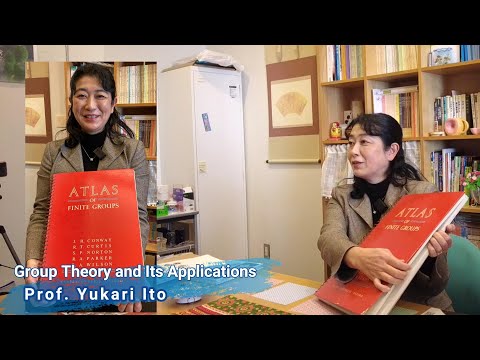
| Group Theory and Its Applications (In-person course) Syllabus I am a Professor at the Kavli Institute for the Physics and Mathematics of the Universe, specializing in algebraic geometry. A group is a mathematical concept used to describe symmetry in various fields such as mathematics, physics, and chemistry. It also plays a role in the arts. In this course, we will explore fundamental concepts of group theory and examine their properties through exercises. Additionally, we'll conclude by applying group theory to some Japanese art and we will also create your own artwork. While this is a foundational mathematics course, a basic understanding of linear algebra is recommended. If we have enough time, we will try Ikebana and experience dimensions in the real world. |
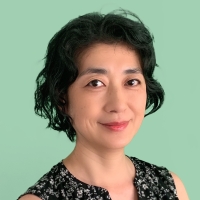 Prof. Yukari ITO |
| International Security of the Asia-Pacific (In-person course) Syllabus Japan’s 2022 National Security Strategy warned that the country is at a “historical inflection point and in the face of the most severe and complex security environment since the end of WWII”. How can we understand regional security challenges that range from war, “de-risking” and great power competition, to climate change, infectious diseases, and terrorism? This course will analyze key drivers that shape the complex security agenda confronting Japan and Asia, through a combination of theory and practical cases. Each session will encourage interactive student-designed class exercises combined with group discussions and lectures. This course draws from the instructor’s experience teaching international security over twenty years at universities in the United Kingdom, Ireland, Singapore, and Japan. I look forward to vibrant discussions with GUC students on how we can best make sense of an increasingly uncertain and dangerous world. |
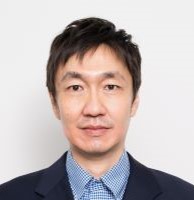 Prof. Yee Kuang HENG |
| Introduction to School Education in Japan (In-person course) Syllabus Japan’s schools are expected to universally achieve various objectives. They should reflect society and raise citizens for society; have high quality and respond to each child’s individuality. How does such a vast system work? And how can we respond to polarised opinions found in the media about its current directions of change? This course aims to expose participants to real scenes in Japanese schools before discussing a range of issues, including administrative structures, teaching styles, media debates and reform. This will build knowledge and inform reflection on key features of the Japanese education system and how it is changing due to internal debates and global policy flows. The course is designed for participants with an interest in Japanese schools, Japanese society or comparative studies. No specialist knowledge is required. |
 Asst. Prof. Sam BAMKIN |
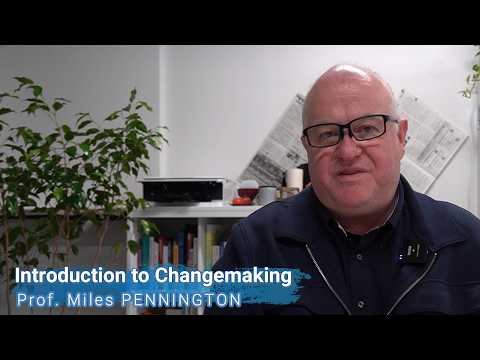
| Introduction to Changemaking (In-person course on Komaba) Syllabus Hello! The aim of this course is to introduce you to the idea of how we could enact meaningful and responsible change through design. We do so by focusing on foundational concepts, skills, and ways of thinking that support creative action. Through discussions, hands-on activities, and team-based exercises, you will gain an overview of how designers approach complex challenges, collaborate with others, and move from ideas to action. We are looking forward to working with you. |
 Prof. Miles PENNINGTON |
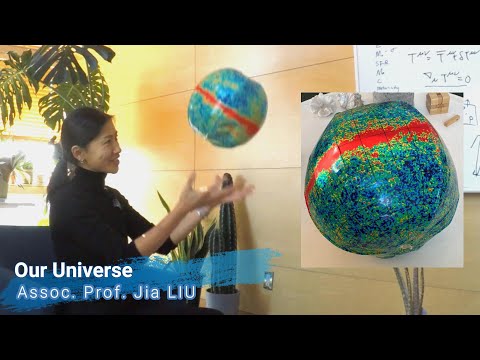
| Our Universe (In-person course) Syllabus I am a computational and observational cosmologist. My research focuses on the large-scale structures of our universe, utilizing cosmological observations of the cosmic microwave background and galaxies, combined with state-of-the-art numerical simulations. Through this course, we will explore the history of our universe and its components. We will also practice using the tools scientists employ to study the cosmos. Emphasis will be placed on developing essential skills for scientific research—problem-solving, critical thinking, and computational analysis. |
 Assoc. Prof. Jia LIU |
| Culture, Media and Society in Japan (In-person course) Syllabus My field of expertise is media, communications, and fieldwork. In Japan, we can observe many fascinating social and cultural phenomena. Some of these may be considered “unique,” while others exhibit patterns similar to those in other countries. It is intriguing to visit these sites, observe, and analyze them. This course offers an in-depth exploration of Japanese society, high culture, popular culture, and media within the context of global social dynamics. To reinforce classroom learning, field trips are scheduled for each major topic. |
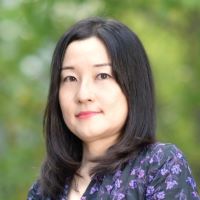 Assoc. Prof. Yuiko FUJITA |
Term 2 Courses:
|
Early Language Acquisition: How Human Infants Learn Language Within Their Social Environment (In-person course) Syllabus
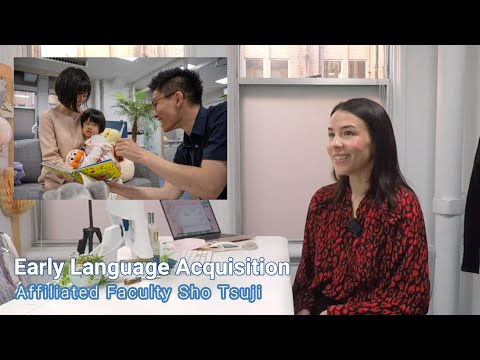
Children learn language all around the world, no matter what linguistic or cultural background they are born into. In this course, we will tackle questions such as: Do babies really learn in the womb? Why is it so hard for speakers from some languages to distinguish sounds like “l” and “r”? How should we talk to bilingual children? We will also learn about early language impairments, the central role of the social environment for learning, and what lessons artificial intelligence can draw from baby studies. Understanding the mechanisms behind their learning is of high societal relevance, since early language skills are the single best predictor for later academic success. In my lab, drawing on observational, experimental, and interventional methods, we focus on the role of the linguistic environment and social context for advancing learning.
|
 Affiliated Faculty Sho TSUJI |
| AI for Understanding Human Intelligence (In-person course) Syllabus Where does human intelligence come from? Can we design artificial intelligence (AI) with human-like intelligence? Although state-of-the-art technologies sometimes surpass human abilities, their applications are still limited. A key challenge remains: enabling AI to acquire a range of cognitive abilities similar to those of humans. This course introduces a unique computational approach called cognitive developmental robotics, aiming to design AI and robots that can learn and develop as children do. This approach not only uncovers the principles of cognitive development but also allows us to create artificial systems capable of acquiring cognitive abilities. Students interested in exploring both artificial and human intelligence are encouraged to join this course. |
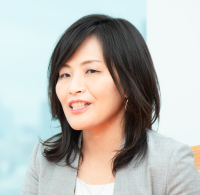 Prof. Yukie NAGAI |
| AI and Social Justice (In-person course) Syllabus My teaching and research at the University of Tokyo has been motivated on the inclusion of minorities in society, whether the marginalization is due to their race, class, gender, linguistic ability or otherwise. I am very excited to be thinking about artificial intelligence with the GUC participants, particularly about how this technology can be examined using the lens of social justice. By welcoming students from various parts of the world, I believe we will be able to see just how varied our understandings are when it comes to our concerns about AI and how it can be used for social justice. |
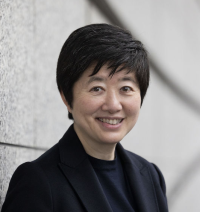 Prof. Yuko ITATSU |
| Sustainable Air Transport Systems (In-person course on Komaba) Syllabus Air Transport System is an essential component of aircraft operations and a critically important academic and research field. In the future, the demand for air transportation is expected to increase, and various forms of operations, such as space shuttles, are also anticipated to become involved. At the same time, it is still a relatively new field globally, and this course has been designed to provide a comprehensive foundation of knowledge. The course is structured with the aim of accommodating students from various specialized fields. We welcome students with an interest in air traffic management, air transportation, supply chains, and related areas. |
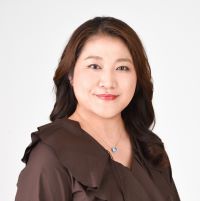 Prof. Eri ITOH |
| Design for Social Impact (In-person course on Komaba) Syllabus Hello! If you are interested in achieving social impact through your work, you have come to the right place. This course is an introduction to design processes from the perspective of social impact. It consists of a series of lectures and workshops where you get to explore the fundamentals of design (such as research, ideation, material experimentation, prototyping and review). We approach design from the perspective of innovation and future thinking: emphasis is on new ideas and especially from the perspective of how they can enact social impact. We are looking forward to working with you. |
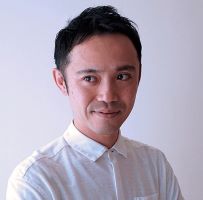 Prof. Yasuaki KAKEHI |
| A History and Culture of the Senses (In-person course) Syllabus This course examines how historical changes have shaped sensory experiences from the late nineteenth century to the present. The senses are central to our daily lives, influencing how we interact with others and perceive our environments through touch, sound, smell, taste, and vision. By exploring the formation and transformation of sensory experiences, the course invites students to use the senses as a lens to analyze political, economic, and cultural change. |
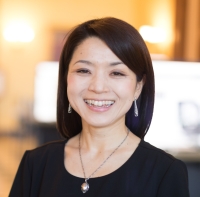 Assoc. Prof. Ai HISANO |
Term 3 Courses:
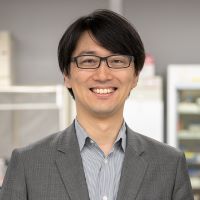
| Tissue Engineering and Stem Cell Technologies for Neuroscience (In-person course on Komaba) Syllabus Can we build a brain-like tissue in the near future? This introductory course invites you to explore the exciting realm of tissue engineering and stem cell technologies in neuroscience, tailored for students at the early stages of their scientific training. We will delve into the fundamentals of neural tissue engineering and stem cell biology, uncovering how these disciplines converge to advance our understanding of the brain. Engaging lectures and interactive discussions will guide you through the latest research, bioengineering strategies, and ethical considerations in neuroengineering. This course offers a unique glimpse into the potential future of neuroscience, making it an ideal starting point for students keen on exploring the frontiers of brain science and regenerative medicine. |
 Prof. Yoshiho IKEUCHI |
| Modern Japanese History (In-person course) Syllabus History is not just about the past, and it’s definitely not just about memorizing dates and names. History tries to understand how and why societies change and tells stories about the lives of other human beings. As such, it’s very useful for understanding yourself and the contemporary world on a deeper level, and it’s endlessly fascinating for the window it offers into the experience of those that came before us. Japanese modern history is both rich in its own right, and a great case study to think about how what is often called modernity, for better or worse, has shaped our world. Join me in this course and let’s explore together! |
 Assoc. Prof. Michael FACIUS |
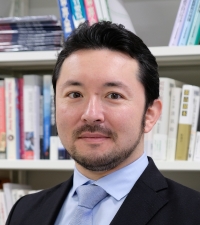
| Japanese Politics in a Changing World (In-person course) Syllabus Japan today confronts challenges, economic, demographic, and geopolitical, that are shared by many nations yet shaped in distinctive ways by its own institutions and history. This course offers a comparative introduction to how Japan’s political system has responded to these pressures from the postwar period to the present. We will examine how political institutions, social structures, historical legacies, and international forces influence policy choices, and why some problems prove more difficult to solve than others. Topics include economic growth and stagnation, demographic transitions, gender and social inequality, immigration and integration, energy and environmental policy, and security in a shifting regional order. Drawing on more than twenty years of teaching in the United States and Japan, the course blends short lectures with group discussions that draw on students’ international perspectives. Together, we will consider how Japan’s experience helps illuminate broader global trends. |
 Prof. Kenneth Mori MCELWAIN |
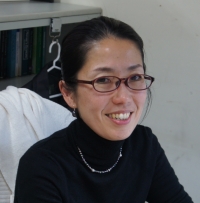
| Resource Management, Efficiency and Social Justice: Both Perspectives from Economics and Sociology (Online course) Syllabus This course addresses the issue of resource management by asking three questions: i) What are common pool resources? ii) For whom are common pool resources important? iii) How can we effectively manage common pool resources? Resource management is often considered a local issue as they are managed by local communities and stakeholders; however, it is also a global issue, as resource management impacts biodiversity and the ecosystems which are critical for us to stay in the planetary boundaries. One of the key difficulties in designing policies for biodiversity and ecosystems stems from this locality in resource management, especially compared to climate change mitigation and global warming. This lecture, by focusing on resource management at a local level, seeks to reveal some of the cutting edge policy on biodiversity conservation and ecosystem management. |
 Assoc. Prof. Hiroe ISHIHARA |
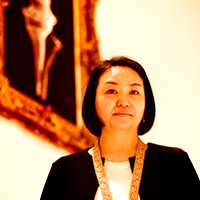
| Museums in Contemporary Japan (In-person course) Syllabus Museums are spaces where ideas, values, and questions take shape through exhibitions. As you walk through a museum, you encounter not only objects, but also decisions about what to show, how to show it, and why it matters. In this course, I invite you to experience museums in Tokyo with fresh eyes. As we visit different museums together, I encourage you to slow down, observe carefully, and notice details that might otherwise be overlooked. There is no single “correct” way to read an exhibition. What matters is how you think, compare, and reflect on what you encounter. Curiosity matters more than expertise. |
 Assoc. Prof. Ayumi TERADA Assoc. Prof. Ayumi TERADA |
| Making Robots Expressive (In-person course) Syllabus In this class students will explore the intersection of robotics, control, and social psychology. Students will gain a comprehensive understanding of the underlying algorithms and sensor integration required to achieve nuanced robotic expressions. Emphasis will be placed on the interdisciplinary nature of expressive control, incorporating aspects of control theory, artificial intelligence, computer vision, and psychology. Through hands-on projects and theoretical discussions, students develop the skills to design robots capable of engaging with humans. This class not only fosters technical proficiency but also encourages a thoughtful consideration of the ethical and societal implications of robotics. |
 Prof. Gentiane VENTURE |
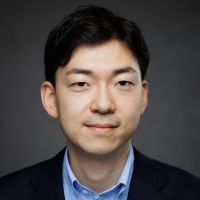
| Politics of Natural Resources and Environment: The "Resource Curse" and Beyond (In-person course) Syllabus Natural resources are an essential part of our daily lives, but how do they impact local, national, and international politics? Building on the literature on the “resource curse”—the political and economic challenges faced by resource-rich states—this course provides students with analytical tools to understand how a country’s environmental, geographical, historical, and social contexts influence its politics. The course covers a wide range of issues, including autocracy, civil war, and anti-mining movements, and examines both established and emerging natural resources such as coal, oil, and rare earth elements. It combines lectures with interactive, student-led discussions. |
 Assoc. Prof. Naosuke MUKOYAMA Assoc. Prof. Naosuke MUKOYAMA |
| An Introduction to Quantum Biology (In-person course) Syllabus The development of the theory of quantum mechanics in the early 20th Century caused a paradigm shift in our understanding of physics and chemistry, yet our theories of biology remain grounded in the ideas of classical physics. Quantum Biology considers how quantum phenomena can afford biology abilities beyond the limitations of classical physics. In this course, we will look at the key features of quantum mechanics and the possibilities they offer biology. We then focus on the particular case of the remarkable ability of some animals to sense the Earth’s magnetic field and exploit it for navigation. |
 Prof. Jonathan WOODWARD |
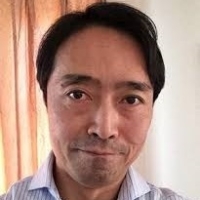
| Law in Transnational East Asia (In-person course) Syllabus This course is for anyone interested in how such an internally diverse region as East Asia became a somewhat coherent region in the past, and how it might relate to the rest of the world in the future. Tokyo is one of the best places in the world to study East Asian cultures and societies (I would argue the best, but of course I’m biased). My area of expertise is in the Legal History and Comparative Law involving East Asian societies. After completing my LL.B. in Tokyo and D.Phil. in Oxford, I have held research and teaching posts in Columbia Law School, Hong Kong University, the National University of Singapore, and Yale University. The GUC has been providing a wonderful opportunity for students with diverse backgrounds to come together, and to learn from each other. I am excited to participate again this year, especially as it is the second time it will be conducted In-Real-Life. I look forward to learning from the vibrant exchanges myself, and to begin a long-term exchange of ideas and experiences with each one of my students. |
 Prof. Kentaro MATSUBARA |
Japanese Language Courses (Online, synchronous)
|
*Japanese Language Courses are open only to the students who register for at least one of the main courses above.
The courses will be taught by faculty members of the Japanese Language Education Division, Center for Global Education (GlobE). Term 0 ・Survival Japanese (Beginner Level) [Term0] Syllabus Term 1 ・Level 2 Further Steps (Upper Elementary Level) Syllabus ・Level 1 Further Steps (Lower Elementary Level) Syllabus Term 2 ・Level 5 Further Steps (Advanced Level) Syllabus Term 3 ・Survival Japanese (Beginner Level) [Term 3] Syllabus |
*UTokyo reserves the right to cancel courses for reasons such as an insufficient number of registrants. In the event of cancellation, appropriate refunds will be issued.
04. Eligibility / Language Requirements
Eligibility
Eligibility Requirements
Applicants must:
• Be full-time undergraduate or graduate students enrolled at a university outside Japan at the time of application. A copy of a valid student ID card from their current institution is required.
• Have completed at least one academic term of undergraduate study. The most recent official academic transcript from their current institution is required.
Notes
The eligibility requirements presented above serve as general guidelines.
Those who do not fully meet the criteria may still apply, with the understanding that selection is not guaranteed and that each course conducts its own review; exceptions may be granted at the instructor’s discretion.
The decision to apply rests with each applicant.
Please note that the application fee is non-refundable, and that applicants are not permitted to contact the GUC Office regarding screening status or results, as the GUC Office cannot provide such information.
Likewise, applicants should not contact course instructors directly.
----------
For UTokyo Students
UTokyo students are also welcome to apply for the program.
As a general rule, UTokyo students must follow the same application procedures as all other applicants and should complete the steps indicated in the Application section of this website.
For additional information that applies specifically to UTokyo students, please search for “UTokyo GUC” on the UTAS Bulletin Board. Relevant guidance — including the application fee exemption code — will be posted in early February.
Language Requirement
All UTokyo GUC courses are conducted entirely in English (except Japanese language courses).
To successfully complete the course(s), applicants must have sufficient English proficiency to actively, consistently, and meaningfully participate in lectures, discussions, presentations, and other interactive, university-level academic activities conducted in English.
The minimum required proficiency is TOEFL iBT 90 or IELTS 6.5.
05. Fees
Application Fee
・JPY 5,000
The application fee must be paid by credit card ONLY during the application period and is strictly non-refundable.
Depending on the payment option you choose within Flywire, which handles the payment procedure via the online application system, a handling charge may apply.
Such a charge must be borne by the applicant.
Please note that payment in Japanese yen (JPY) is not available via Flywire.
There is no application fee for UTokyo students.
The application fee exemption code for UTokyo students will be posted on the UTAS Bulleting Board around early February.
Program Fees
-------------------------
In-person format
-------------------------
・1-Unit course: JPY 190,000
・2-Unit course: JPY 380,000
(JPY 190,000 per Global Unit)
-------------------------
Online format
-------------------------
・0.5-Unit course: JPY 40,000
(JPY 80,000 per Global Unit)
The program fee must be paid by credit card ONLY during the payment period in April, after the announcement of the screening results.
Depending on the payment option you choose within Flywire, which handles the payment process, a handling charge may apply.
Such a charge must be borne by the applicant.
Please note that payment in Japanese yen (JPY) is not available via Flywire.
=====
Discounts for Students from AUA/IARU/USTEP Universities
Students currently enrolled at AUA/IARU/USTEP universities are eligible for a 20% discount on the program fees only if both of the following conditions are met at the time of application via TAO: (1) the status is selected, and (2) the required documents certifying current enrollment are submitted.
・AUA Members
・IARU Members
・USTEP Partner Universities*
(*partner universities of the University of Tokyo under the USTEP program)
The discount on the program fee(s) will be applied to successful applicants from partner universities after the screening results are announced, only if both of the following conditions are met at the time of application via TAO: (1) the status is selected, and (2) the required documents certifying current enrollment are submitted.
=====
Scholarships
Note: All scholarship opportunities specifically offered for this program are listed here.
No additional program-specific scholarships or information are available beyond what is provided here.
For details regarding each scholarship and its application procedures, please contact the scholarship provider directly via the link below.
・FUTI Scholarships for students in the US for summer programs
06. Global Unit / Assessment / Certificate
Global Unit / Assessment
Students will be rigorously assessed based on their performance and the number of class hours.
Upon successful completion of each course, students will receive a Global Unit Certificate for each course, which includes their grade and the number of Global Units earned.
These "Global Units" may be used to calculate credits for transfer to students' home institutions; however, the transfer of credits is subject to the policies of the respective institutions.
We strongly recommend that students check with their home institutions in advance to confirm whether the credits can be transferred.
For the syllabus of each course, please refer to the information provided under 03. Instructor Messages / Syllabi.
Course Level:
Please assess the course level based on the "Syllabus" page under 03. Instructor Messages / Syllabi, which includes details such as prerequisites, course contents, and required/reference readings.
This page contains all official information instructors can share before the course begins, as applicants are not permitted to contact them directly to ensure fairness in the screening process.
In some cases, the course level may not be clearly stated, but this reflects the program’s effort to accommodate the diverse backgrounds of GUC students.
Although the program is primarily designed for undergraduates, instructors ensure the content is accessible to graduate students, as the program is also open to them.
*Please note that the GUC Office cannot provide any individual consultations on the course level, as stated in the Important Notice.
Contact Hours of Global Unit
A "Global Unit" consists of 15 hours, comprising 10 sessions of 90 minutes each.
It is aligned with the UCTS (UMAP Credit Transfer Scheme).
The contact hours for each course per Global Unit are as follows:
・0.5-Unit course: 7.5 hours (450 minutes / 90-minute session × 5)
・1-Unit course: 15 hours (900 minutes / 90-minute session × 10)
・2-Unit course: 30 hours (1800 minutes / 90-minute session × 20)
Global Unit Certificate
The Global Unit Certificate for each course is the only official document that verifies the student’s participation, enrollment, and grade.
It is issued by the University of Tokyo in electronic format only (no paper copy) to students who meet the requirements.
No other official letters of any kind will be issued; accordingly, students are expected to consult their home institutions in advance as necessary.
It includes the following information:
・Participant's name
・Course name
・Number of Global Units for the course
・Lecture type (In-person/Online)
・Instructor's name
・Course period
・Grade earned by the participant
・Number of Global Units earned by the participant
・Notes (*1 Global Unit = 90 minutes × 10 / 0.5 Global Unit = 90 minutes × 5, **System of Grading: S (100-90), A (89-80), B (79-70), C (69-60), D (Fail))
07. Application
| Application Deadline | 16:00 (Japan Standard Time) on Monday, March 16, 2026 |
|---|---|
| Screening Results Announcement | New! Thursday, April 16, 2026 UTokyo Global Unit Courses (GUC) 2026 - Screening Results To All Applicants, As the screening results have been announced outside TAO, please note that the application status on TAO will remain “Application Completed.” |
| Important Notes for Application | All application procedures for GUC 2026, including the submission of all required documents, must be completed exclusively through the designated online application system, The Admissions Office (hereinafter referred to as “TAO”). The screening process will begin only after the application deadline, as applications are not reviewed on a rolling basis. Screening will be conducted solely on the basis of information that meets all of the following conditions: (1) submitted via TAO, (2) submitted by the designated deadline, and (3) submitted by applicants whose TAO application status is marked as “Completed”. We do not accept any of the requests listed below under any circumstances, and no responses will be provided to such requests. (1) Applications or documents submitted through methods other than TAO (e.g., email). (2) Late submissions. (3) Applications with a TAO status of “Incomplete”. ▶ UTokyo GUC 2026 Terms and Conditions |
Steps to Apply
| Policy for Usage of Artificial Intelligence by the Center for Global Education Preparing your application documents is the first step towards your study at UTokyo. In doing so, you will think about what to study there and imagine what the experience may mean to you. In fact, this is indispensable to a successful UTokyo life. The recent development of generative artificial intelligence has made it possible to generate essays with a simple command. However, you should not rely on such technology in preparing your application. Instead, it is important that you write about yourself in your own words. |
Step 1: Decide which courses you wish to apply for and prepare a Statement of Purpose for each course.
Step 2: Prepare the required materials.
Step 3: Create an account for the Online Application System (TAO).
Step 4: Enter the required information on TAO, pay the application fee, and review your application before submission.
Step 5: Complete your application and confirm that your application status on TAO is marked as “Completed”.
Step 1: Decide which courses you wish to apply for and prepare a Statement of Purpose for each course
Based on the information provided in the links and notes in this section, decide which course(s) you wish to apply for and prepare a Statement of Purpose for each course, as specified below.
| A Statement of Purpose (maximum 300 words) required for each course you apply for. | Your statement of purpose should: - Describe what you hope to gain from the course. - Explain how you can contribute to the intellectual life of the program. You may also include details of any related courses you have previously taken and/or describe how this program aligns with your current course of study or supports your professional development. |
Reference Information for Course Preferences
Students are welcome to apply for any course or number of courses regardless of the term, so long as they do not result in conflicts in their schedule.
In other words, applicants may flexibly choose courses across the three terms.
Furthermore, they may apply solely for a total of just one course over the three terms.
Applicants for Japanese Language Courses must complete the Question Sheet* (*for the "Application ID" in the Question Sheet, please refer to Step 3 in this section.) provided separately by the Japanese Language Education Division at GlobE, which includes the Level Check Test, prior to completing the application process.
--------------------
Relevant information links
--------------------
・UTokyo GUC 2026 | Timetable: Top > 02. Schedule / Course Offerings > UTokyo GUC 2026 Timetable
・Syllabus for each course: Top > 03. Instructor Messages / Syllabi
・Course Level / Credit Transfer: Top > 06. Global Unit / Assessment / Certificate > Global Unit / Assessment
・Campuses: Top > 08. Staying in Japan: Campuses / Access / Accommodation / Visa > UTokyo Campuses and Access
--------------------
Notes
--------------------
・Screenings are conducted on the strict expectation that applicants can and will attend all applied courses without schedule conflicts. Applicants must apply only for courses they can reliably attend.
・The screenings also consider overall class composition and balance. Careless or excessive applications may negatively affect the screening results.
・Although administrative cancellation resulting from failure to complete payment after acceptance is possible, it must be strictly avoided. Records of such cancellations may be retained in UTokyo GUC records and may affect future administrative procedures.
・The GUC Office and the application system do not check for schedule conflicts. Once the program fee has been paid, no refunds will be made except as stipulated in the Terms and Conditions.
Step 2: Prepare the required materials
Before accessing the application system, ensure you have prepared the following items.
For General Information| 1. Copy of Passport (PDF). Required for identity verification |
Submit the pages showing your name, photo, passport number and expiration date. If you do not have a passport, please submit an alternative official document with a photograph issued by the government of your country of citizenship. The selection of which document to submit is at the applicant's discretion. |
| 2. Color ID Photo (JPEG). For identification purposes |
Submit a color ID photo (45 mm (H) × 35 mm (W)) with a plain background, taken within the last three months. In the case that you successfully pass the screening process, this photo will also be used in the class photo list shared among all GUC instructors, TAs, staff members, and students on the LMS (Learning Management System). |
| 3. Copy of Student ID (PDF). To confirm current enrollment at a university |
Submit the side(s) displaying the institution name, your name, expiration date, and face photo. If your student ID does not include all four pieces of information mentioned above, please submit additional or alternative document(s) to verify them so that we can confirm your current university enrollment. The selection of which document to submit is at the applicant's discretion. |
| 4. Official Transcript in English (PDF). To verify your academic background |
Submit the most recent transcript issued by your home institution, showing the name of your current institution, your name, and an issue date on or after January 1, 2025. If you do not have it, please submit alternative document(s) to verify that your academic background at your current/previous university is relevant to the course(s) you are applying for. The selection of which document to submit is at the applicant's discretion. Please note that the GUC Office is unable to provide individual guidance on document selection. |
| Credit Card | Available brands depend on the option you choose within Flywire, which handles the payment procedure via the online application system, as well as your location. |
--------------------
Relevant information links
--------------------
・Eligibility: Top > 04. Eligibility / Language Requirements > Eligibility
・Application Fee: Top > 05. Fees > Application Fee
Step 3: Create an account for the Online Application System (TAO)
All applications must be completed through the designated online application system, The Admissions Office (hereinafter referred to as TAO).
Follow instructions 1–4 below to create an account.
1. Create an Account
Visit the following link, fill in the necessary information, and click 'Create an account'.
https://admissions-office.net/en/applicant/sign_up
2. Set Language and Find the Application Page
After creating your account, set the language to English.
Search for the UTokyo GUC Program application page.
3. Start Your Application
Click on "Start my application" to begin the process and obtain your unique Application ID.
4. Check your Application ID and ensure you retain it for subsequent procedures
You can view your Application ID by selecting "Applications" from the menu tab.
Step 4: Enter the required information on TAO, pay the application fee, and review your application before submission
Based on the preparation in Steps 1 through 3, enter the required information on TAO, pay the application fee, and review your application before submission.
Once your application status is marked as “Completed” (i.e., after you click the final submission button), no changes can be made under any circumstances, either technically on TAO or under the application guidelines administered by the GUC Office.
Requests for any changes will not be accepted, and no responses will be provided to such requests.
Before submission, carefully review all information entered in TAO, as it will be treated as final. In particular, confirm the following:
- Name: Ensure that your family name and given name are entered in the correct fields, in the correct order, and with the required use of uppercase and lowercase letters.
- Home Institution Name: Enter the official full name of your institution (not an abbreviation) and ensure that the spelling is accurate.
- Course Preferences: Course preferences cannot be changed at any time throughout the GUC program period.
Step 5: Complete your application and confirm that your application status on TAO is marked as “Completed”
After submitting your application, ensure that your application status on TAO changes from “Incomplete” to “Completed” in “My Applications” under the “Applications” from the menu tab.
An application status on TAO marked as “Completed” indicates that it is subject to screening.
The application deadline is 16:00 (Japan Standard Time) on Monday, March 16, 2026.
We strongly recommend submitting your application well in advance for the following reasons:
- After the deadline, the online application system (TAO) will automatically close.
- The GUC Office may not be able to respond promptly to inquiries.
- The online application system (TAO) may occasionally undergo unexpected maintenance or experience technical issues.
- The GUC Office will not be responsible for any consequences resulting from an applicant’s failure to receive, read, or respond to messages from our office, or from malfunctions of networks, PCs, or other devices that may prevent timely submission.
- Some payment methods may require additional time for processing.
- Even if an application is not successfully submitted, the application fee, once paid, will not be refunded.
08. Staying in Japan: Campuses / Access / Accommodation / Visa
UTokyo Campuses and Access
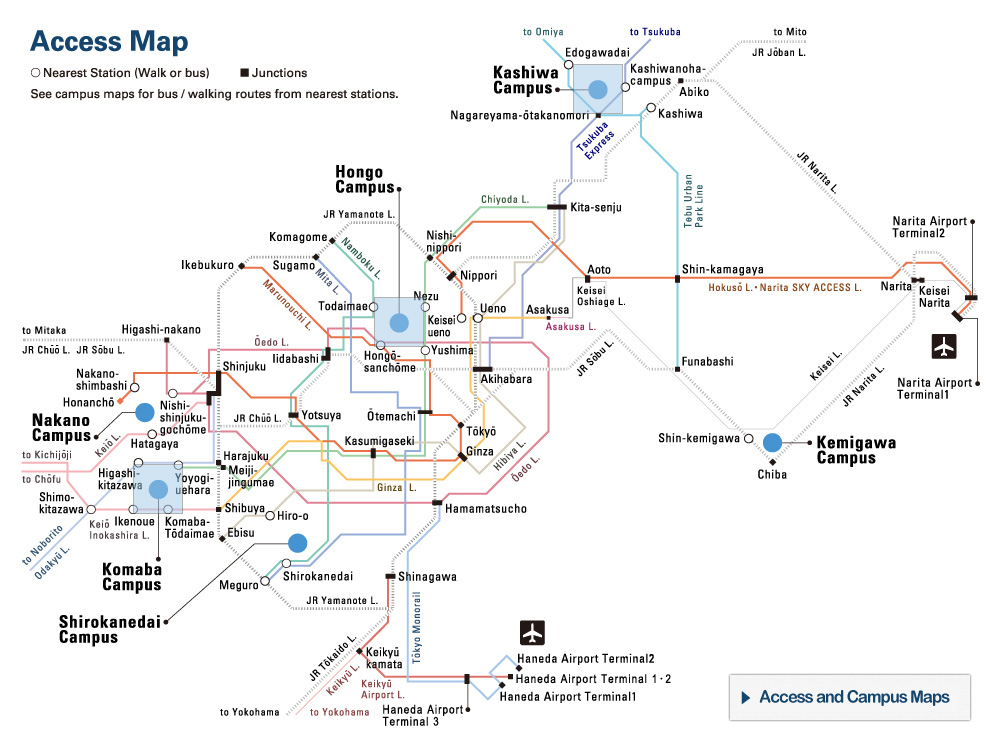
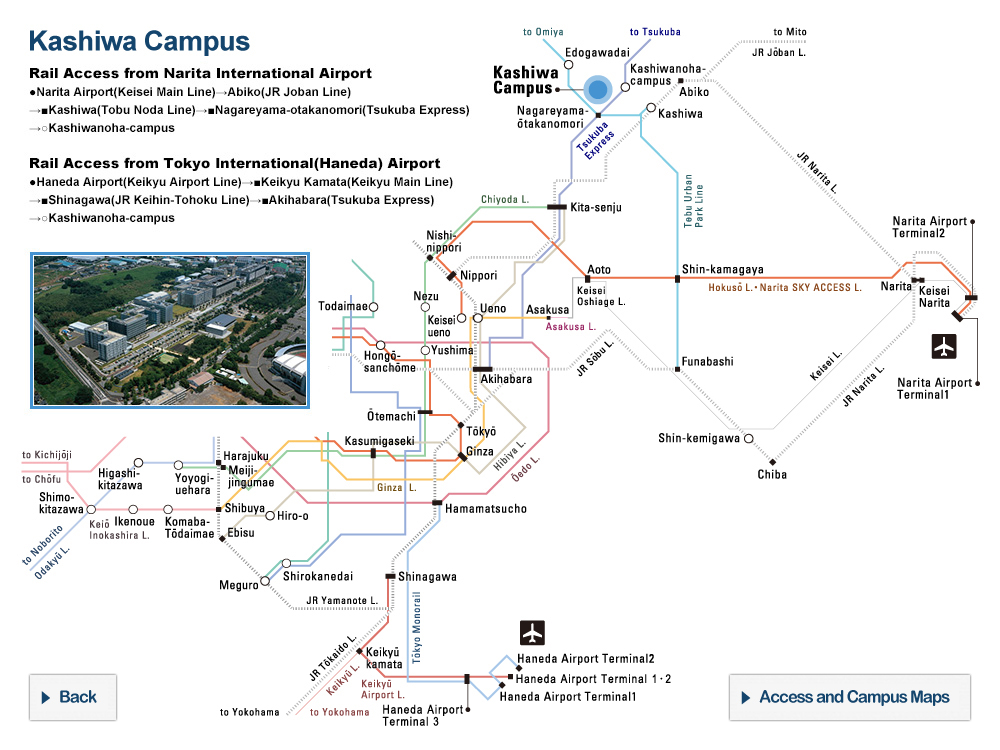
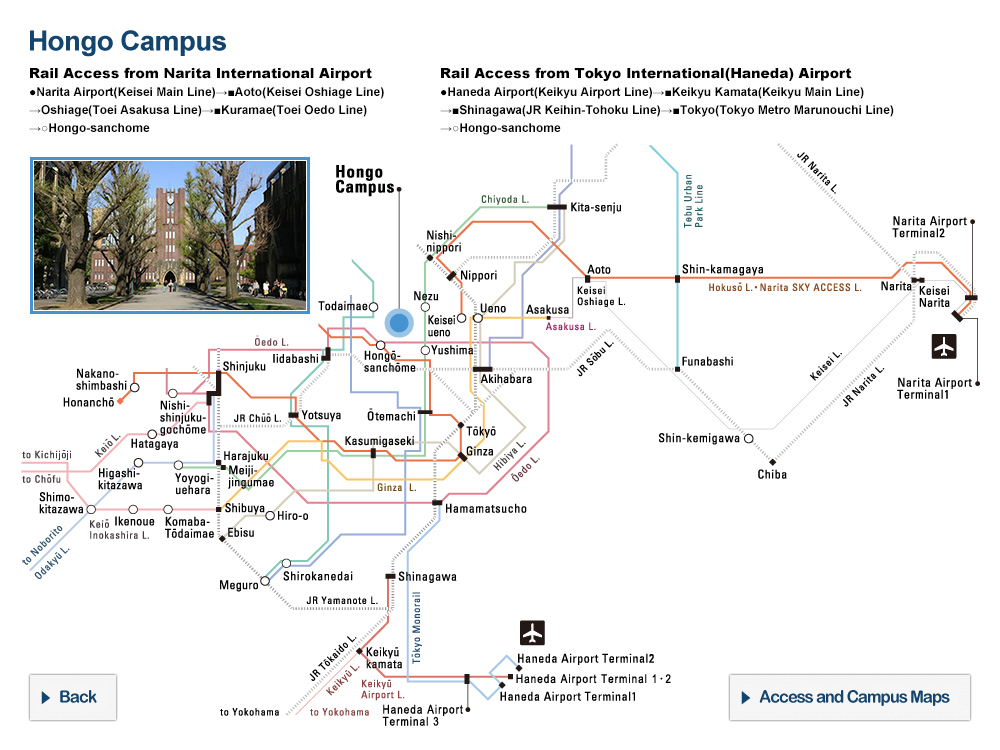
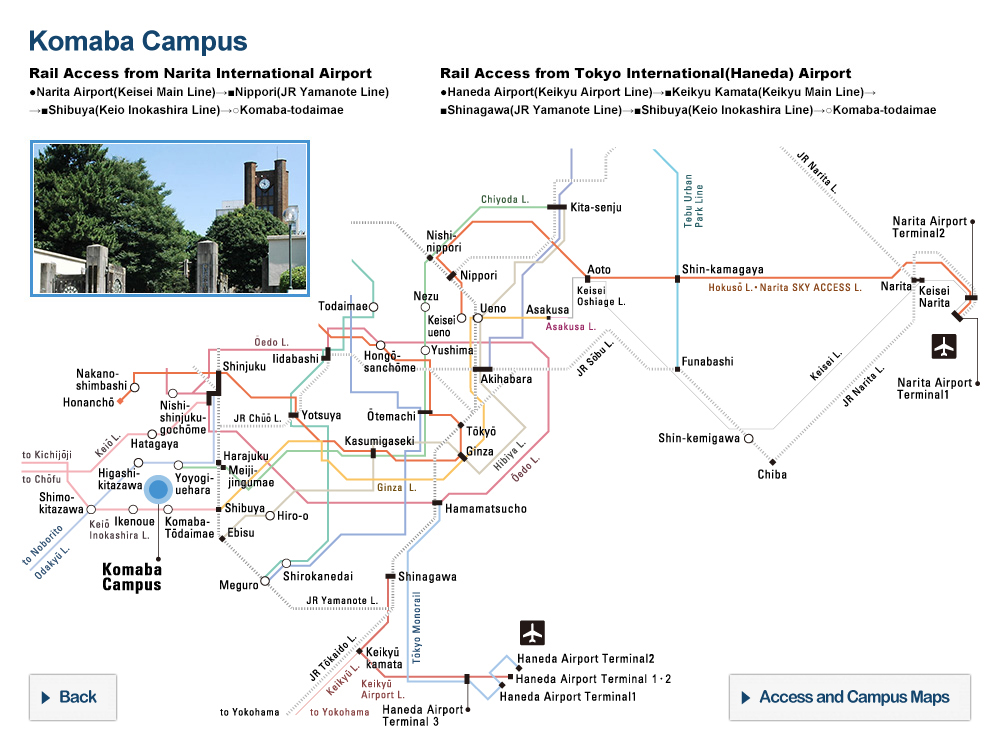
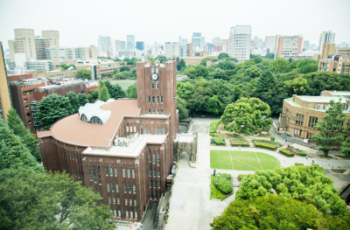
UTokyo GUC courses will primarily be offered at Hongo Campus, with some courses held at Komaba Campus.
Both campuses are located in central Tokyo, and it takes approximately 60 minutes to travel between them.
For detailed directions, visit the Access Map.
-------------------------
Hongo Campus
-------------------------
Nearest Stations:
・Todaimae Station (Tokyo Metro Namboku Line)
・Hongo-sanchome Station (Tokyo Metro Marunouchi/Toei Oedo Line)
・Yushima/Nezu Station (Tokyo Metro Chiyoda Line)
Transportation from Tokyo Station:
・Approximately 10–20 minutes by train to the nearest stations.
Walking Distance from Ueno Station:
・Approximately 20-30 minutes on foot to Hongo Campus.
-------------------------
Komaba Campus
-------------------------
Nearest Station:
・Komaba-Todaimae Station (Keio-Inokashira Line)
Transportation from Shibuya Station:
・About 3 minutes by train to Komaba-Todaimae Station.
Accommodation
In Japan, summer is in the middle of the academic year, which begins in April.
Unlike in many other countries, campus housing is fully occupied at this time, and even a few openings are prioritized for UTokyo students.
For this reason, GUC students are not eligible for campus housing.
We kindly ask you to refrain from contacting the UTokyo Housing Office regarding this matter.
This, however, provides an opportunity to choose accommodation that best suits your preferences and needs.
Tokyo offers a wide variety of options, and past participants have enjoyed selecting and securing their own housing.
Prices vary by hotel. A standard hotel room (with a private bathroom) typically costs around USD 100 per day.
As Tokyo experiences high demand during the summer and accommodation prices generally increase, we encourage participants to secure their lodging in a timely manner.
During the summer vacation, prices tend to be higher, but early-booking discounts are usually available.
Visa
For successful applicants who have been accepted into in-person courses and hold a nationality that requires a visa to enter Japan, a temporary visitor visa is required.
UTokyo will send detailed information and supporting documents after confirming payment of the program fees, following the announcement of the screening results.
Information on visa-related matters will be shared with successful applicants based on their admitted courses after the screening results are announced.
Students requiring a visa should apply at the Japanese Embassy or Consulate General in their country of residence.
Please note that this process may take several weeks.
For more information:
・Visa Information
・Visa Exemption (Short-Term Stay)
09. Student Voices

--------------------------------------------------
National University of Singapore
--------------------------------------------------
The get-together sessions where students interacted before the classes began were instrumental in making the subsequent classes smoother and facilitating discussion. These sessions helped us build rapport and created a more relaxed atmosphere in the classroom. The lectures delivered by the instructors were also very engaging, and I felt that I learned a great deal despite the short instruction time.
--------------------------------------------------
Politecnico di Milano
--------------------------------------------------
The lectures were clear, insightful, and well-organized, with each speaker bringing a unique perspective that made the content both engaging and intellectually stimulating. The class atmosphere was open and supportive, encouraging everyone to share ideas, ask questions, and collaborate, which made learning active and enjoyable. Additionally, the University of Tokyo campus was beautiful and inspiring, providing a calm academic environment that made studying and exploring each day a pleasure.
--------------------------------------------------
University of Copenhagen
--------------------------------------------------
The registration session was a wonderful start to the program and provided a helpful introduction to both the university and its culture. It offered a comfortable platform where we could ask questions and have pleasant conversations with the university ambassadors. Overall, I really enjoyed this session. I also felt that the way the lectures were conducted was well suited to achieving the learning outcomes and encouraging meaningful class discussions. These points contributed to creating a great class atmosphere with a welcoming and open-minded setting.
--------------------------------------------------
National Taiwan University
--------------------------------------------------
I think the lecture was really engaging and covered topics that I am interested in. The class atmosphere was excellent, with everyone listening attentively and actively participating in discussions. I also had the opportunity to meet people from other countries and became friends with them. I believe this was an unforgettable experience.
--------------------------------------------------
The University of Sydney
--------------------------------------------------
The Get Together event was one of the most memorable parts of the program, creating a warm and welcoming environment where participants could connect more personally with both peers and UTokyo students. It helped break the ice and made it easier to form friendships that extended beyond the classroom.
The class atmosphere was intellectually engaging and supportive, with stimulating discussions in which the instructors encouraged open dialogue and critical thinking. I appreciated the respectful and collaborative learning environment that allowed everyone to share ideas freely.
Interacting with UTokyo students provided a valuable cultural and academic exchange. Their insights and perspectives deepened my understanding of Japanese society and education. Having the opportunity to speak with them in both formal and informal settings made my experience even more meaningful and enriching.
--------------------------------------------------
The University of Hong Kong
--------------------------------------------------
The Get Together activity allowed me to interact with classmates beforehand, making it easier to create a positive class atmosphere. The class environment was excellent, with everyone being friendly and engaged. The campus offered many places for walking around and studying.
--------------------------------------------------
University of Malaya
--------------------------------------------------
The lectures were well-structured and intellectually stimulating, and I appreciated how complex environmental and ethical issues were presented in a clear and engaging way. The class environment was inclusive and respectful, allowing everyone to express different perspectives even during debates. Interacting with UTokyo students was particularly rewarding; their thoughtful insights and our discussions helped me broaden my perspective.
--------------------------------------------------
University of Amsterdam
--------------------------------------------------
The class atmosphere was academic, and everyone actively participated, which motivated me to engage as well. All the students were eager to share their thoughts and ideas. The campus was wonderful—beautiful, with lovely plants everywhere.
--------------------------------------------------
Trinity College Dublin
--------------------------------------------------
The lecture content was very interesting, and the classes were conducted in an engaging manner. There were plenty of opportunities to ask questions, and the overall class atmosphere was very enjoyable. The UTokyo campus was beautiful, with lots of greenery, and I also appreciated its convenient location near the center of Tokyo, which made commuting relatively easy.
--------------------------------------------------
University of Toronto
--------------------------------------------------
The lectures were concise, well-structured, and highly engaging. The careful balance between theoretical explanations and practical examples helped deepen my understanding of challenging topics.
The lecture materials were exceptionally well-organized and comprehensive. Clear definitions, step-by-step proofs, and thoughtfully selected examples enhanced my grasp of the content. These resources served as reliable references, supporting effective self-study even after class.
The class atmosphere was welcoming, inclusive, and intellectually stimulating, motivating active participation and encouraging questions. Collaborative interactions among classmates and with the instructor significantly enriched the learning experience, making even complex concepts approachable and enjoyable.
--------------------------------------------------
Peking University
--------------------------------------------------
The lectures were very well organized and kept me engaged throughout. The instructor effectively connected theoretical concepts with real-life examples, making each class both interesting and meaningful. The readings were thoughtfully selected, encouraging deep reflection while remaining easy to follow. By balancing academic rigor with accessibility, the instructor helped me gain a better understanding of complex topics.
The overall environment was open, friendly, and collaborative. I greatly appreciated the diversity of perspectives from both the instructor and my classmates, and I felt comfortable asking questions and joining in discussions. Overall, it was a positive and enriching experience that made learning truly enjoyable.
--------------------------------------------------
University of Oxford
--------------------------------------------------
In our program, the tutors gave us enough freedom to collaborate with our classmates, and we completed projects together through substantial discussion. These interactions helped us build strong connections, and by the end of the program, we had become quite familiar with one another. The lecturers and professors also put great effort into preparing the lecture materials and assignments. I really enjoyed my time on the UTokyo campus, which made daily life much more convenient and helped us feel more integrated.
--------------------------------------------------
University of Illinois Urbana-Champaign
--------------------------------------------------
Through the Get Together, I was able to make friends before attending the courses in person, which helped me feel comfortable and not alone at UTokyo. I enjoyed the class atmosphere because the instructors were friendly and encouraged participation in discussions, allowing us to understand different perspectives and opinions. I also enjoyed being on the UTokyo campus, as it gave me a sense of what it is like to be a university student in Japan and allowed me to fully immerse myself in the city.
--------------------------------------------------
Seoul National University
--------------------------------------------------
I found LMS/Student Portal easy to use and well organized. Communicating with UTokyo students was valuable because it allowed me to share ideas and learn from different perspectives. The UTokyo campus was also very inspiring, with excellent facilities and a motivating atmosphere.
--------------------------------------------------
The University of Tokyo
--------------------------------------------------
Even as a student at this university, it was a wonderful opportunity for me to learn new things, make new friends, and gain a deeper understanding of my university.
Archives
10. Contact
Important Notice
1. Owing to the high volume of inquiries, the GUC Office prioritizes responses to questions not addressed on this webpage. If you do not receive a reply, it means that the information relevant to your inquiry is already available here. We encourage you to review this page carefully.
2. To ensure fairness, the GUC Office provides all information exclusively through this website. We do not offer individual letters, confirmations, or personalized guidance regarding course selection or application materials, and no responses will be provided to such requests. This policy applies to all prospective and current applicants.
After carefully reviewing all information on this page—which may address most of your questions—if you are still unable to find relevant information, please direct your inquiries to the following email address:
utokyo-guc.adm(at)gs.mail.u-tokyo.ac.jp (Please replace “(at)” with “@”.)
UTokyo Global Unit Courses (GUC)
International Education Promotion Group, Education and Student Support Department
The University of Tokyo, 7-3-1, Hongo, Bunkyo-ku, Tokyo 113-8652 JAPAN