



About the lecturers
| Miles Pennington is Professor of Design Led Innovation at The University of Tokyo, where he is the Director of the DLX Design Lab. Previous to that he was at the Royal College of Art in London as the Head of Program of the Innovation Design Engineering (IDE) joint Master’s program with Imperial College, he is an alumnus of the IDE program and graduated in 1992. He was also the Founder and Head of Global Innovation Design (GID), and a Director of the London office of Takram. He moved to Japan in 2017 to join The University of Tokyo where he also is Co-Director of the DLX Design Academy. | 
Prof. Miles PENNINGTON
|
Introduction to Changemaking
Syllabus
| 1 | Subject | Introduction to Changemaking |
| 2 | Field | Design and Innovation |
| 3 | Key words | Changemaking, collaboration, creative problem solving, design, design processes, innovation, leadership |
| 4 | Global Unit | 2 (90 minutes × 20) |
| 5 | Lecturer | Miles PENNINGTON |
| 6 | Period | June 15 – 26, 2026 |
| 7 | Time | 13:00-14:30; 15:00-16:30 (Japan Standard Time) |
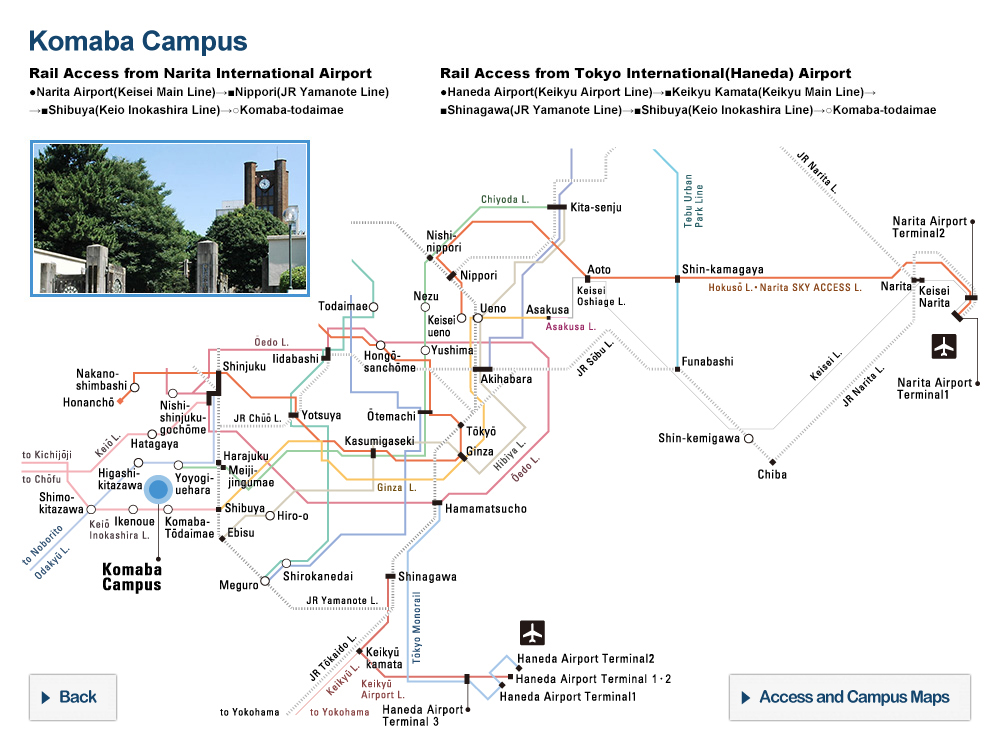
| 8 | Lecture style | In-person (on Komaba Campus) Note: Since the course focuses on learning by doing, students are expected to actively contribute to the class activities and discussions. |
| 9 | Evaluation Criteria | Excellent (S) 90–100%; Very good (A) 80–89%; Good (B) 70–79%; Pass (C) 60–69%; Fail (D) 0–59% |
| 10 | Evaluation methods | Participants will be evaluated as follows: 1. Active class participation - Participation and involvement with the class work. 2. Final presentation - In design, the output and the process are equally important, which is why your final output in this course should cover both. 3. Peer review - You are expected to provide a peer evaluation for your team members. 4. Reflection - Ability to reflect on personal learnings, collaboration in the team, and final output (both process and output). |
| 11 | Prerequisites | What do you need to join? - Interest towards the topic (this class is open to all, no prior knowledge about or experience in design is required) - A collaborative mindset (this course focuses on teamwork and in-class activities so we expect you to actively participate in the sessions) - Desire to improve the status quo (as the course focuses on changemaking, we hope this is something you are interested in) As this course is conducted entirely in English, students are expected to have sufficient English proficiency to actively communicate, articulate their ideas, participate in discussions, and collaborate effectively with peers in an English-speaking learning environment. |
| 12 | Contents | Purpose What does it mean to create change? What role can design play in driving change and addressing complex challenges? This course provides an introductory overview of changemaking through design. Students are introduced to foundational concepts and skills that underpin design processes, including collaboration, creative problem solving, and leadership. The aim of the course is to provide the students with a foundational understanding of how design can be used to explore challenges, generate ideas, and move from intention to action. Description Why is it important to enact change? What role does design play in improving or constructively questioning the current state of things? These are some of the questions we will be exploring in this course. As educators, we feel passionate about creating learning experiences that enable students to see how they can become agents of change in the surrounding society. As such, this course provides you with an introduction to how we might enact change through design and with what implications. The course will be conducted fully in person and will combine short lectures, group discussions, hands-on activities, and team-based exercises. Students will be introduced to some of the seminal ways of thinking and working used in design practice, with an emphasis on exploration, collaboration, and learning by doing. Rather than focusing on a specific topic, the course provides a broad introduction to design and changemaking, allowing students to engage with ideas at an introductory level. Students from all academic backgrounds are welcome, and no prior experience in design is required. Schedule Session 1 - Introduction to Changemaking Session 2 - Exploration Session 3 - Creative Thinking and Collaboration Session 4 - From Ideas to Action Session 5 - Presentations Assignments Students will work in teams throughout the course. In the final session, each team will give a short presentation introducing their exploration process and developed ideas. |
| 13 | Required readings | - |
| 14 | Reference readings | Additional readings and other references will be provided in class based on the students’ interests. |
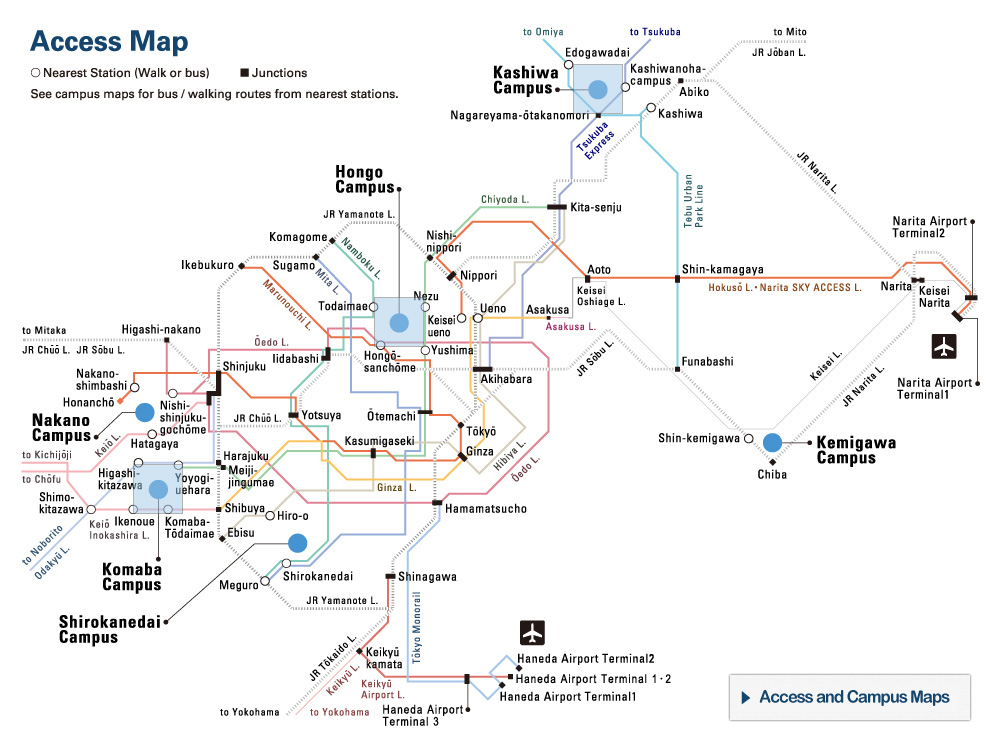
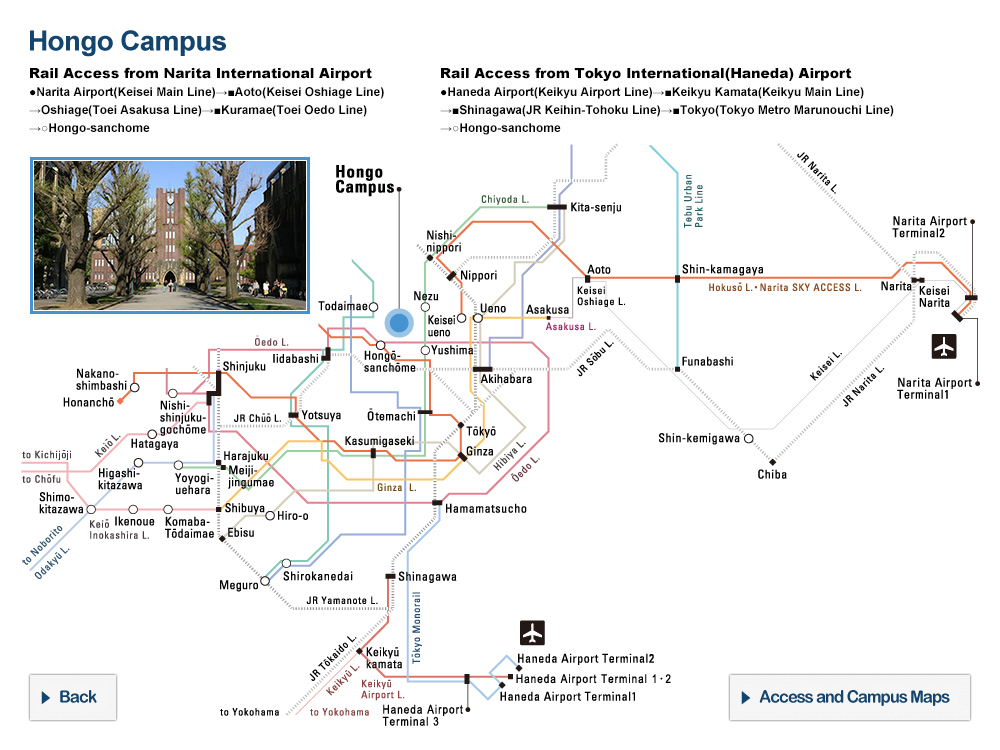
| 15 | Notes on Taking the Course | Classes take place in the S-Gallery, S-Building, Komaba II Research Campus. It takes 50-60mins to travel from Hongo Campus to Komaba II campus. |
------------------------------
UTokyo Global Unit Courses (GUC)
------------------------------
International Education Promotion Group, Education and Student Support Department
The University of Tokyo, 7-3-1, Hongo, Bunkyo-ku, Tokyo 113-8652 JAPAN
------------------------------
For inquiries regarding GUC
------------------------------
After carefully reviewing all information on the top page—which may address most of your questions—if you are unable to find relevant information, please direct your inquiries to the following email address:
utokyo-guc.adm(at)gs.mail.u-tokyo.ac.jp
(Please replace “(at)” with “@”.)
*Please note that, in order to ensure fairness to all applicants, the GUC Office does not provide any individual guidance beyond the information available on the website.
UTokyo Global Unit Courses (GUC)
------------------------------
International Education Promotion Group, Education and Student Support Department
The University of Tokyo, 7-3-1, Hongo, Bunkyo-ku, Tokyo 113-8652 JAPAN
------------------------------
For inquiries regarding GUC
------------------------------
After carefully reviewing all information on the top page—which may address most of your questions—if you are unable to find relevant information, please direct your inquiries to the following email address:
utokyo-guc.adm(at)gs.mail.u-tokyo.ac.jp
(Please replace “(at)” with “@”.)
*Please note that, in order to ensure fairness to all applicants, the GUC Office does not provide any individual guidance beyond the information available on the website.