



About the lecturers
| Yasuaki Kakehi is a Human-Computer Interaction researcher and media artist. After experiences at Keio University and MIT, he has been engaged in research, creation, and education at the Interfaculty Initiative in Information Studies, The University of Tokyo, since 2018. He holds a Ph.D. in Interdisciplinary Information Studies. He has been serving as a professor since 2022. He develops interactive media that combine physical materials and phenomena with digital technology, expanding experiences through objects, the body, and space. His work spans the fields of engineering, art, and design, with exhibitions at SIGGRAPH, Ars Electronica Festival, YCAM, and ICC, among others. He has received numerous awards across various fields, including an Honorable Mention at the STARTS PRIZE 2022, the Excellence Award in the Art Division of the 23rd Japan Media Arts Festival, the Best Paper Award at ACM CHI 2017, and the Young Scientist Award by the Minister of Education, Culture, Sports, Science, and Technology in 2014. | 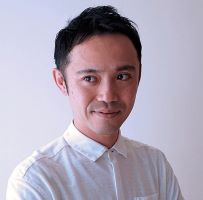
Prof. Yasuaki KAKEHI
|
Design for Social Impact
Syllabus
| 1 | Subject | Design for Social Impact |
| 2 | Field | Design and Social Impact |
| 3 | Key words | collaboration, creative thinking, design, human-centered design, innovation, interdisciplinary learning, problem solving, prototyping, social impact, social issues |
| 4 | Global Unit | 2 (90 minutes × 20) |
| 5 | Lecturer | Yasuaki KAKEHI |
| 6 | Period | June 29 – July 10, 2026 |
| 7 | Time | 13:00-14:30; 15:00-16:30 (Japan Standard Time) |
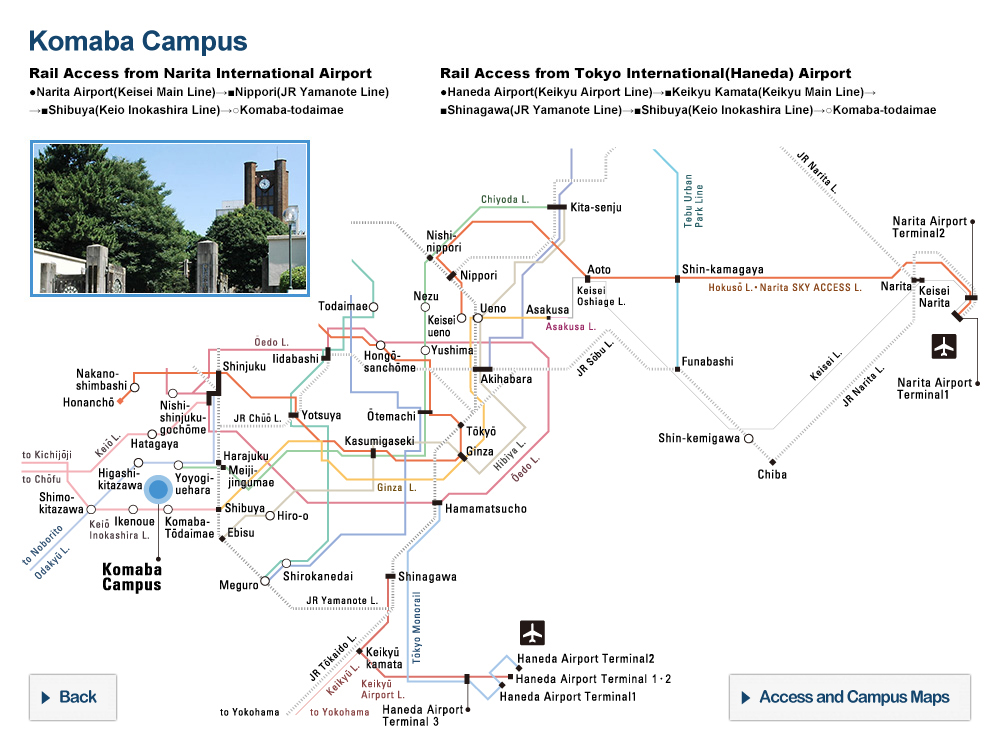
| 8 | Lecture style | In-person (on Komaba Campus) Note: Since the course focuses on project-based learning, students are expected to actively contribute to the class activities and discussions as well as work in teams. |
| 9 | Evaluation Criteria | Excellent (S) 90–100%; Very good (A) 80–89%; Good (B) 70–79%; Pass (C) 60–69%; Fail (D) 0–59% |
| 10 | Evaluation methods | Participants will be evaluated as follows: 1. Active class participation - Participation and involvement with the class work. 2. Final presentation - In design, the output and the process are equally important, which is why your final output in this course should cover both. 3. Peer review - You are expected to provide a peer evaluation for your team members. 4. Reflection - Ability to reflect on personal learnings, collaboration in the team, and final output (both process and output). |
| 11 | Prerequisites | What do you need to join? - Interest towards the topic (this class is open to all, no prior knowledge about or experience in design is required) - A collaborative mindset (this course focuses on teamwork and in-class activities so we expect you to actively participate in the sessions) - Desire to learn about social impact (again, no prior experience is required, but we expect you to be interested in social issues) As this course is conducted entirely in English, students are expected to have sufficient English proficiency to actively communicate, articulate their ideas, participate in discussions, and collaborate effectively with peers in an English-speaking learning environment. |
| 12 | Contents | Purpose Students who successfully complete this course will be able to examine a selected social issue through design and apply a collaborative, hands-on approach to developing ideas aimed at addressing the issue. Through project-based learning students will learn how to identify a social issue through research, generate insights about the issue, and translate such insights into a design concept. At the end of the course, students will develop a foundational understanding of design processes and how design can be utilized for addressing real-world social issues. Description “There exists a designerly way of thinking and communicating that is both different from scientific and scholarly ways of thinking and communicating, and as powerful as scientific and scholarly methods of enquiry when applied to its own kinds of problems” – Professor Bruce Archer This course introduces you to the fundamentals of design processes, especially from the perspective of achieving social impact. Focusing on a single social issue, you will learn about some of the key methods and approaches designers use to explore problems and develop solution concepts to them. Through in-person lectures, workshops, and group activities, the course covers key stages of design processes, including opportunity finding, research, ideation, and prototyping. You will work in teams to explore a social issue you have identified, develop a design concept to address the issue, and present the concept in a compelling way. Since design is essentially about thinking and making, the course focuses on learning by doing in order to help you understand how design moves from problem exploration to solution development. The course is intended as an introductory experience and is open to students from all academic backgrounds. Schedule Session 1 - Introduction and theme briefing Session 2 - Opportunity Finding & Design Research Session 3 - Creative Idea Generation Session 4 – Prototyping and presentation preparation Session 5 - Presentations Assignments Students will work in teams throughout the course. In the final session, each team will give a short presentation introducing their exploration process and developed ideas. |
| 13 | Required readings | - |
| 14 | Reference readings | Additional readings and other references will be provided in class based on the students’ interests. |
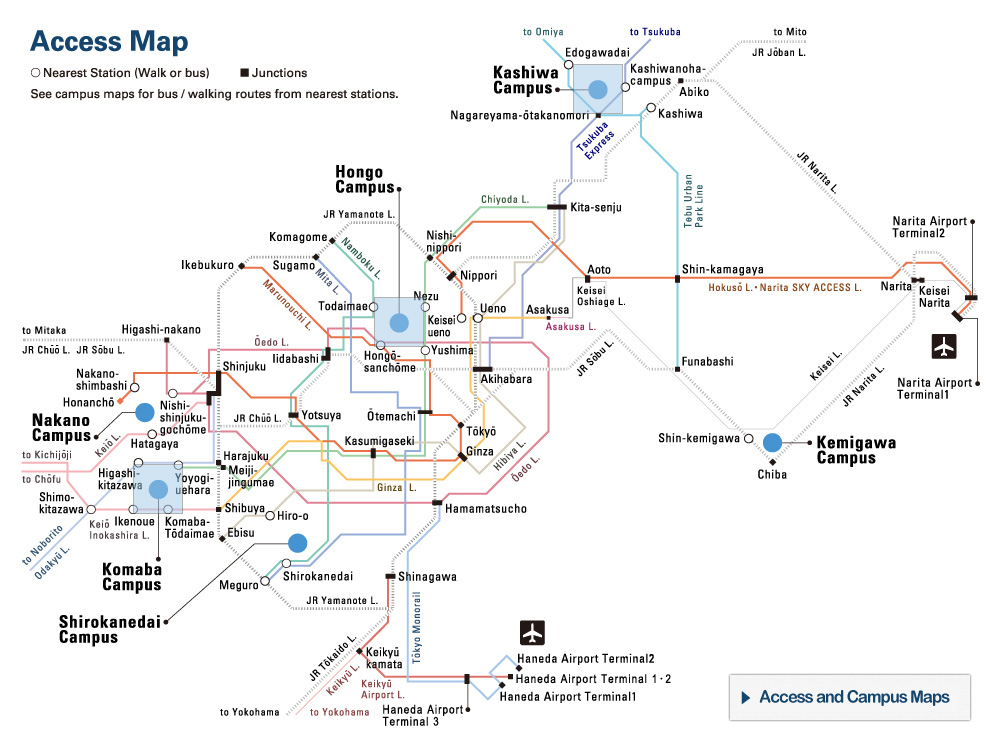
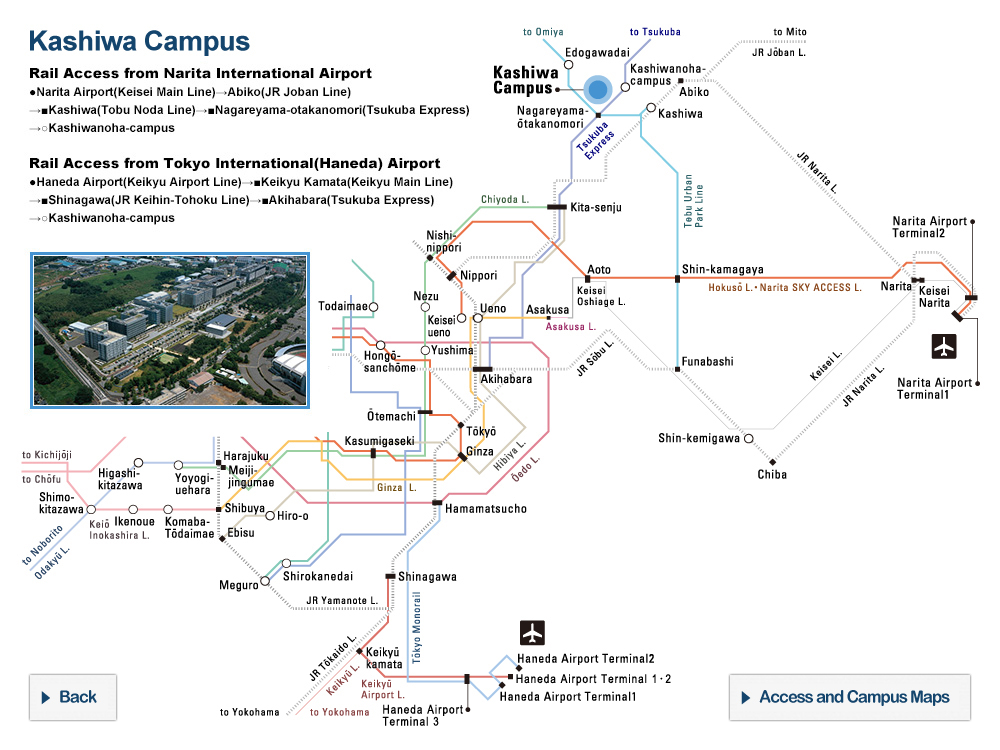
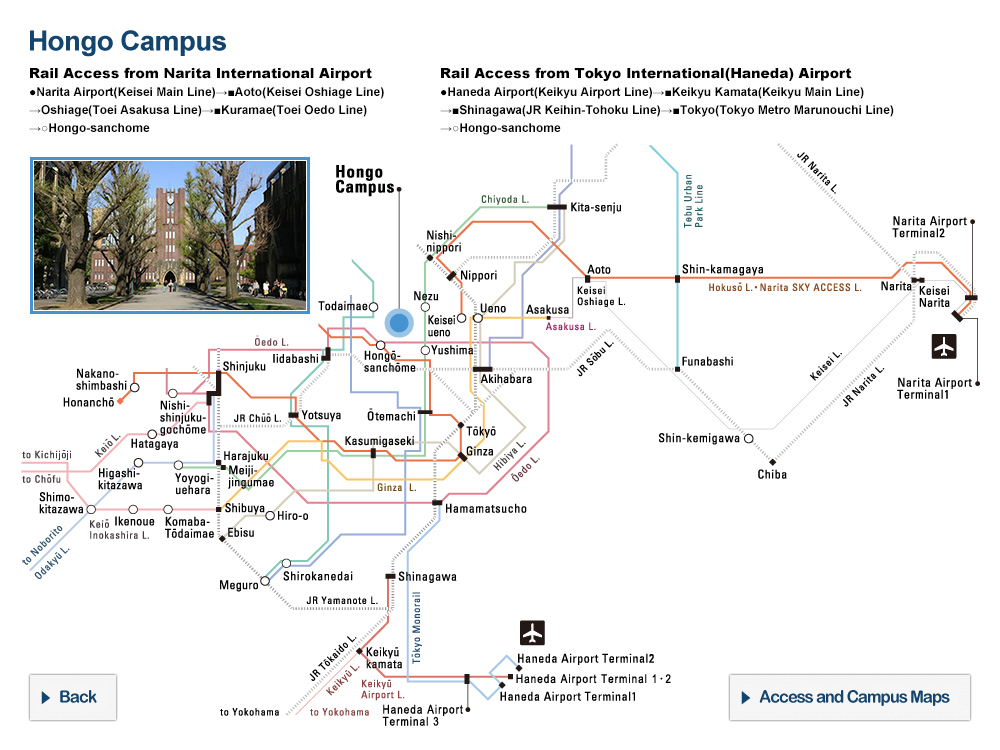
| 15 | Notes on Taking the Course | Classes take place in the S-Gallery, S-Building, Komaba II Research Campus. It takes 50-60mins to travel from Hongo Campus to Komaba II campus. |
------------------------------
UTokyo Global Unit Courses (GUC)
------------------------------
International Education Promotion Group, Education and Student Support Department
The University of Tokyo, 7-3-1, Hongo, Bunkyo-ku, Tokyo 113-8652 JAPAN
------------------------------
For inquiries regarding GUC
------------------------------
After carefully reviewing all information on the top page—which may address most of your questions—if you are unable to find relevant information, please direct your inquiries to the following email address:
utokyo-guc.adm(at)gs.mail.u-tokyo.ac.jp
(Please replace “(at)” with “@”.)
*Please note that, in order to ensure fairness to all applicants, the GUC Office does not provide any individual guidance beyond the information available on the website.
UTokyo Global Unit Courses (GUC)
------------------------------
International Education Promotion Group, Education and Student Support Department
The University of Tokyo, 7-3-1, Hongo, Bunkyo-ku, Tokyo 113-8652 JAPAN
------------------------------
For inquiries regarding GUC
------------------------------
After carefully reviewing all information on the top page—which may address most of your questions—if you are unable to find relevant information, please direct your inquiries to the following email address:
utokyo-guc.adm(at)gs.mail.u-tokyo.ac.jp
(Please replace “(at)” with “@”.)
*Please note that, in order to ensure fairness to all applicants, the GUC Office does not provide any individual guidance beyond the information available on the website.