

 Find a book


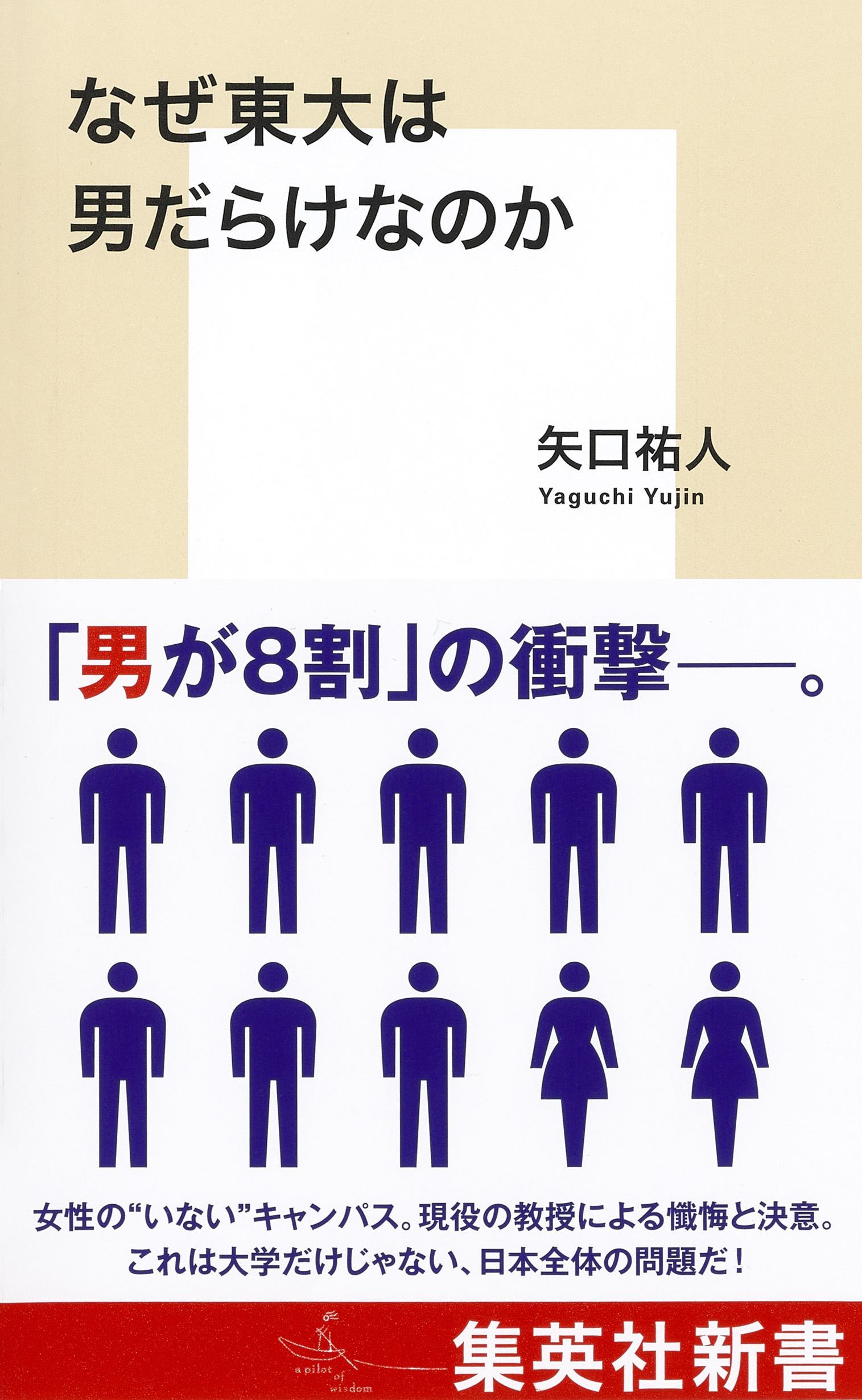
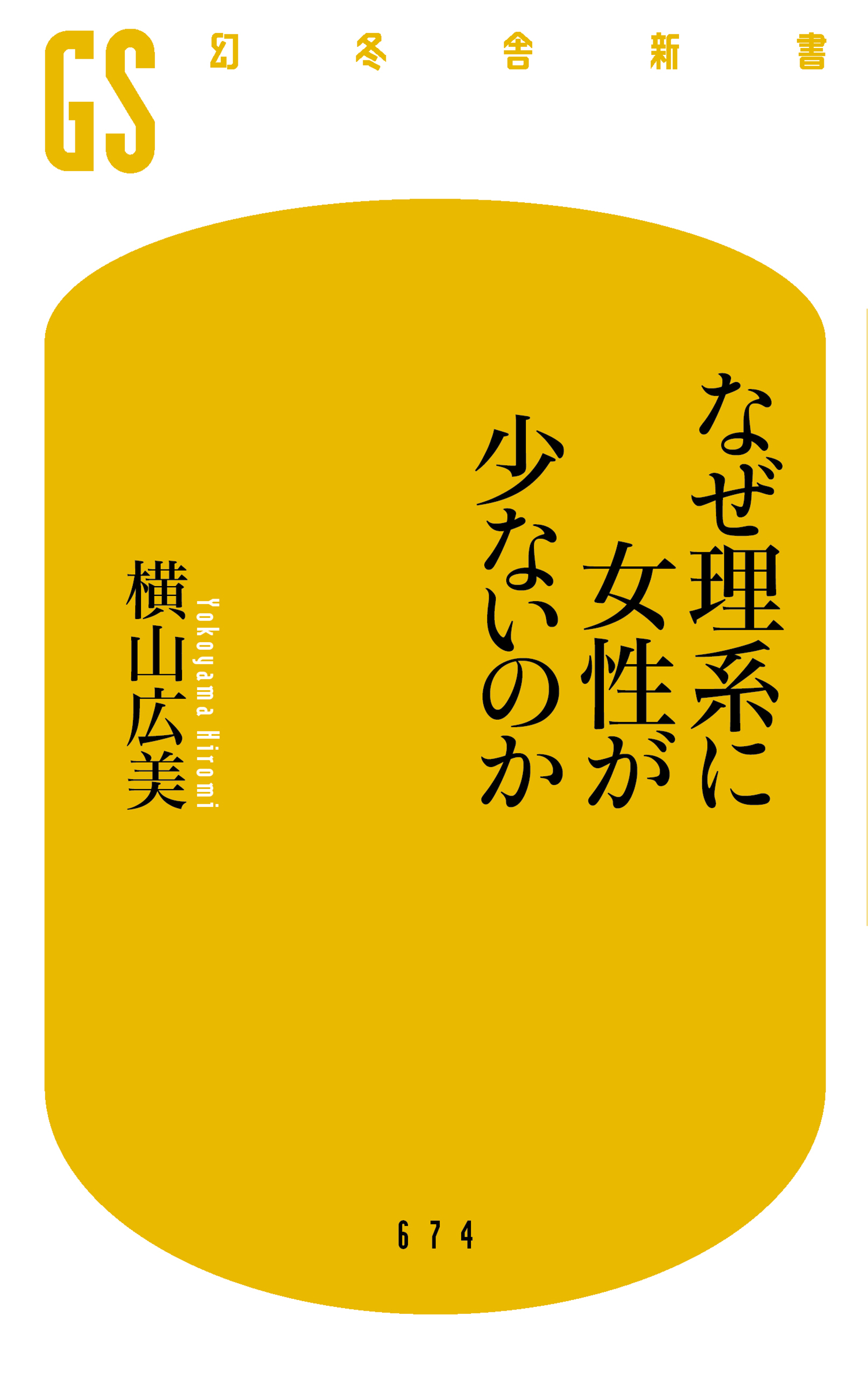
Title
Shueisha 1203E Naze Todai wa otoko darake nanoka (Why are UTokyo full of men?)
Size
233 pages
Language
Japanese
Released
February 16, 2024
ISBN
978-4-08-721303-4
Published by
Shueisha Inc.
Book Info
See Book Availability at Library
Japanese Page
As of May 2025, only 21.5% of students at the University of Tokyo are women.
That figure hasn’t changed much in decades—even though nationwide, the percentage of female high school students going on to university has nearly doubled in the past twenty years.
So how should we think about this? Some people say, “There are far too few women,” or, “This really isn’t okay.” Others argue, “That’s just how it is,” or, “Since UTokyo has so many STEM majors, it’s natural that there are fewer women.” Still others insist, “It’s simply the result of a fair admissions process, so what’s the problem?” And of course, some claim, “I don’t see any issue at all.”
As someone who has taught at Komaba for many years, I feel very strongly about this issue. UTokyo is overwhelmingly male, and the campus is shaped by male-centered perspectives and values. I believe this imbalance holds back the quality of both our learning and our research.
In this book, I explore a seemingly simple yet deeply complex question: why does UTokyo remain so stubbornly male-dominated? To answer that, I look at the issue through both history and international comparisons.
Like many other Japanese universities, UTokyo originally admitted only men. Women were first allowed in after World War II, in 1946. For nearly 70 years before that, the university was a men-only institution. What was it like for the first women who entered the university back then? And how much have we really learned from the challenges they faced?
UTokyo was not alone in excluding women for so many years. Many of the world’s most prestigious universities once did the same. In the United States, for example, Princeton University didn’t admit women until 1969—more than twenty years after UTokyo.
But here’s the difference: today, women make up about half of Princeton’s student body. The same is true at most of the world’s leading universities. Comparing UTokyo with its global peers makes it hard to ignore just how unusual—and troubling—our situation really is.
Diversity is essential for excellence. A campus dominated by men cannot reach its full potential as a truly world-class university. The gender balance—or imbalance—at UTokyo is something that every student, faculty member, and staff member needs to take seriously. And it is not only a UTokyo problem. It reflects much deeper questions about Japanese society as a whole.
The book has drawn considerable attention since its publication in Japan, but my greatest hope is that UTokyo students in particular will read it and respond to this pressing challenge facing the university.
(Written by YAGUCHI Yujin, Professor, Graduate School of Arts and Sciences / 2025)
Related Info
INTERVIEW/ University of Tokyo vice president: No future for male-dominated schools like Todai (“THE ASAHI SHIMBUN June 28, 2024)
https://www.asahi.com/ajw/articles/15302823
Seminar:
“Gender Gap at the University of Tokyo” (The University of Tokyo, The 98th May Festival May 24, 2025)
https://gogatsusai.jp/98/visitor/en/project/C005