

 Find a book


Title
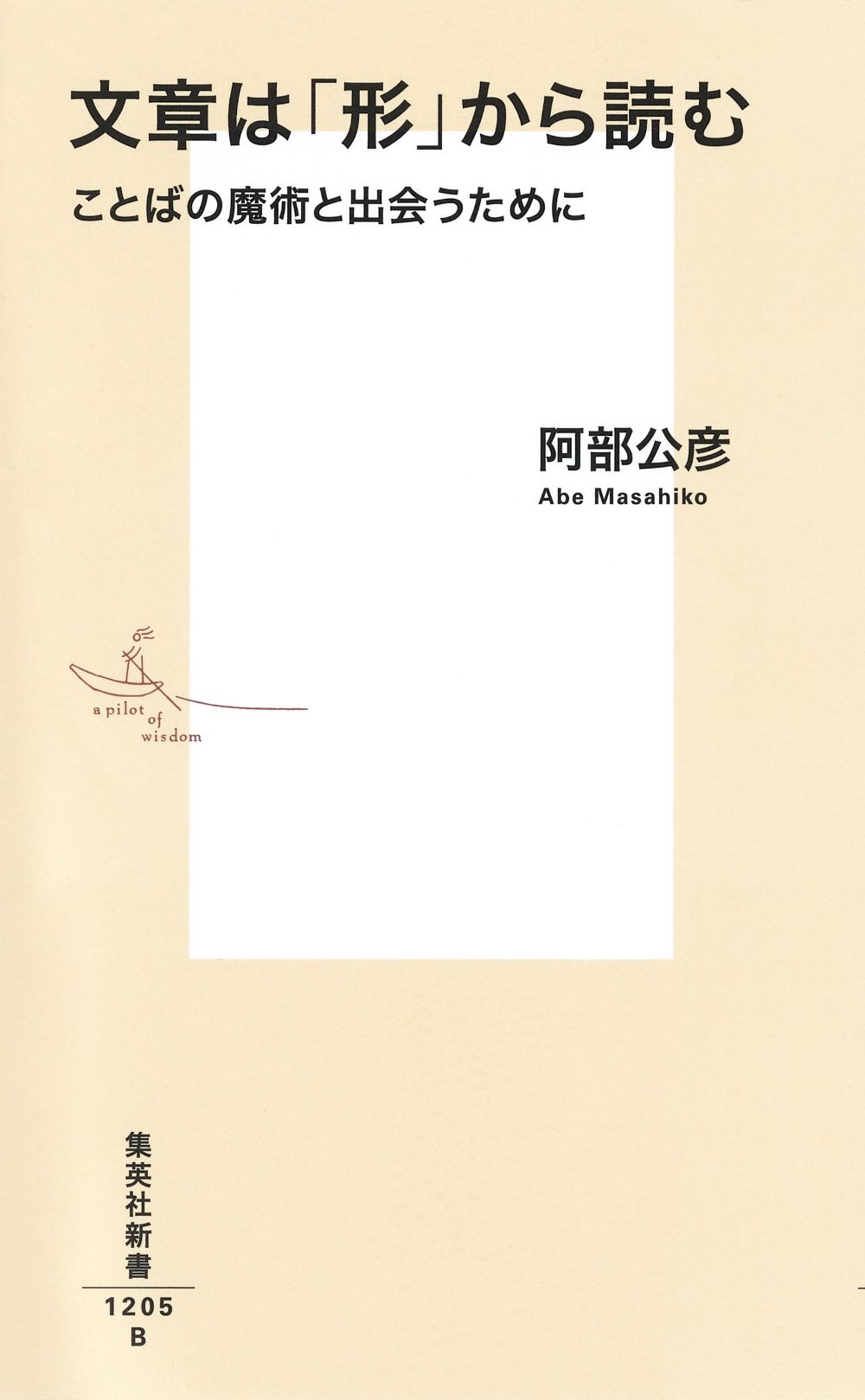
Shueisha Shinsho 1205B Bunshowa “Katachi” kara Yomu (Reading Texts Through Their Form - Encountering the Magic of Language)
Size
305 pages
Language
Japanese
Released
March 15, 2024
ISBN
978-4-08-721305-8
Published by
Shueisha Inc.
Book Info
See Book Availability at Library
Japanese Page
Words require the use of one's intellect. Those who display their linguistic skills cleverly often appear intelligent, endowed with reason and intellect.
Yet words can sometimes stir emotions and rob us of our rationality. They may drive us to act in ways far removed from reason. While language helps us organize and understand things, it can also confuse us, lead us astray, and plunge us into chaos. It can shake the foundations of thought and even draw us into realms of the underworld or the mystical. Its effects are almost magical. Why does this happen? It’s truly mysterious.
This book proposes that the secret lies in “form.” Language is not composed solely of abstract meaning. It has sound and script, hardness and softness, length and brevity, instability and evanescence. It can smile one moment, then sulk or grow imperious the next. These diverse elements intertwine and influence our emotions and physiology.
Such effects extend far beyond the realm of magic. Even documents we typically approach with pure rationality—parking contracts, COVID-19 vaccine disclaimers, educational guidelines, cookbooks—are shaped by the power of form. These texts reveal their true character precisely through their formal qualities.
Language operates within local rules. Contracts have expressions that only make sense within the world of contracts. Recipes and ceremonial speeches follow their own linguistic conventions. When we’re immersed in these local worlds, we naturally follow their rules. But when the context shifts, those rules can suddenly feel strange. That’s when we begin to notice: “Ah, so this is what was influencing me.” It’s like peeking into the secret behind a dish’s seasoning.
Once you understand the secret of seasoning, you can apply it to your own cooking. Likewise, when writing or speaking, you can do it more skillfully—producing the effects you intend.
Language is both content and container. When writing doesn’t go well, it may be because the content and the container aren’t aligned. If you focus only on the content, your thinking becomes top-heavy and you tend to forget the container. Without preparing how and with what kind of language you’ll speak or write, neither speeches nor texts will be effective. By examining how “form” influences the reader, you’ll eventually be able to harness that function yourself.
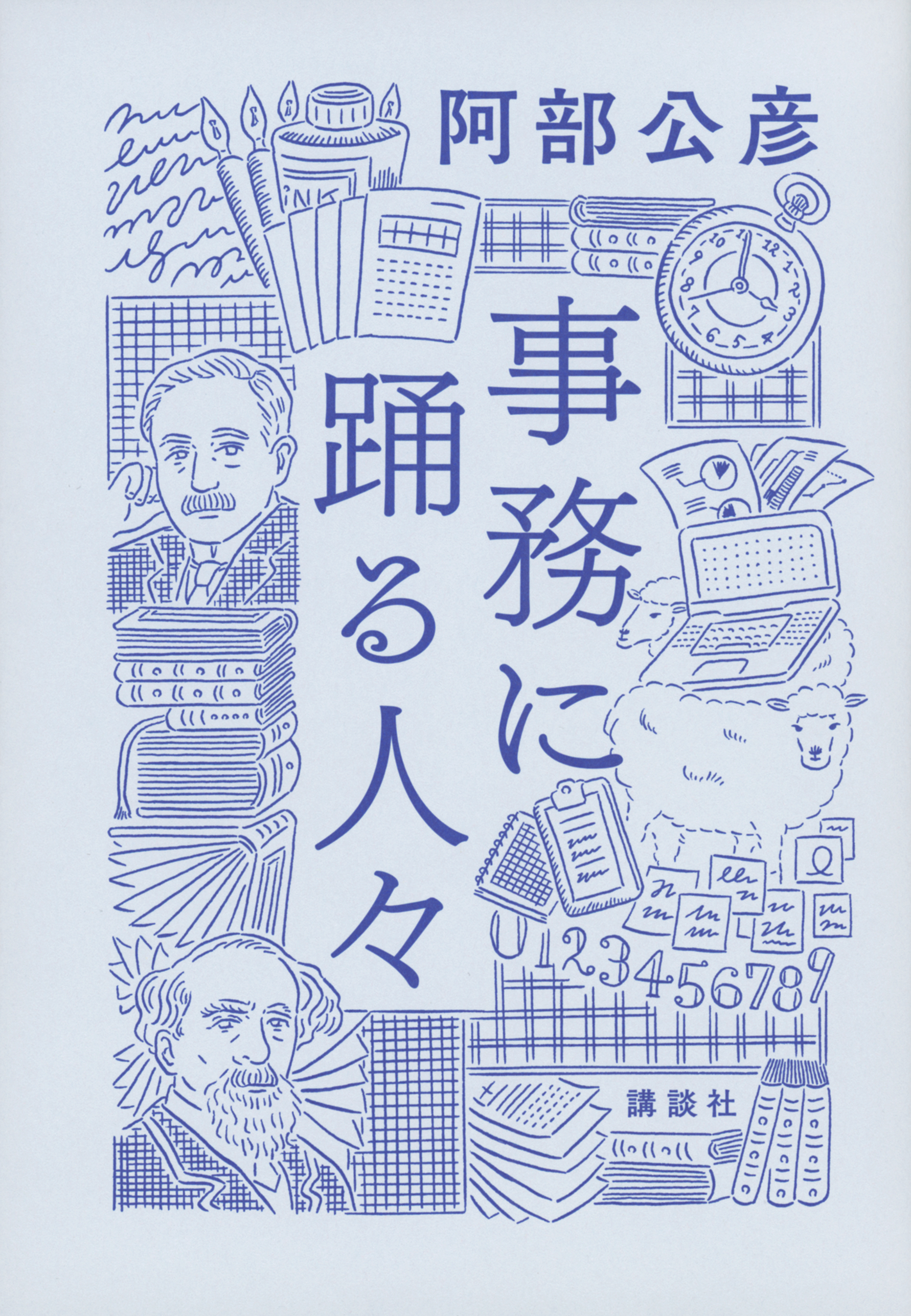
This book serves as the “practical edition” of my previous work, People Dancing to the Music of Paperwork (Kodansha, 2023). While the earlier volume explored the relationship between culture and form in depth, this one presents concrete examples of how language interacts with form, along with exercises and sample tasks to help readers grasp how language works.
Each chapter begins and ends with a “question” and a “summary.” The answers to the questions can be found in the main text, but for those who wish to quickly review the content, I’ve included bullet-point summaries. I hope you’ll find them useful.
(Written by ABE Masahiko, Professor, Graduate School of Humanities and Sociology / 2025)