

 Find a book


Title
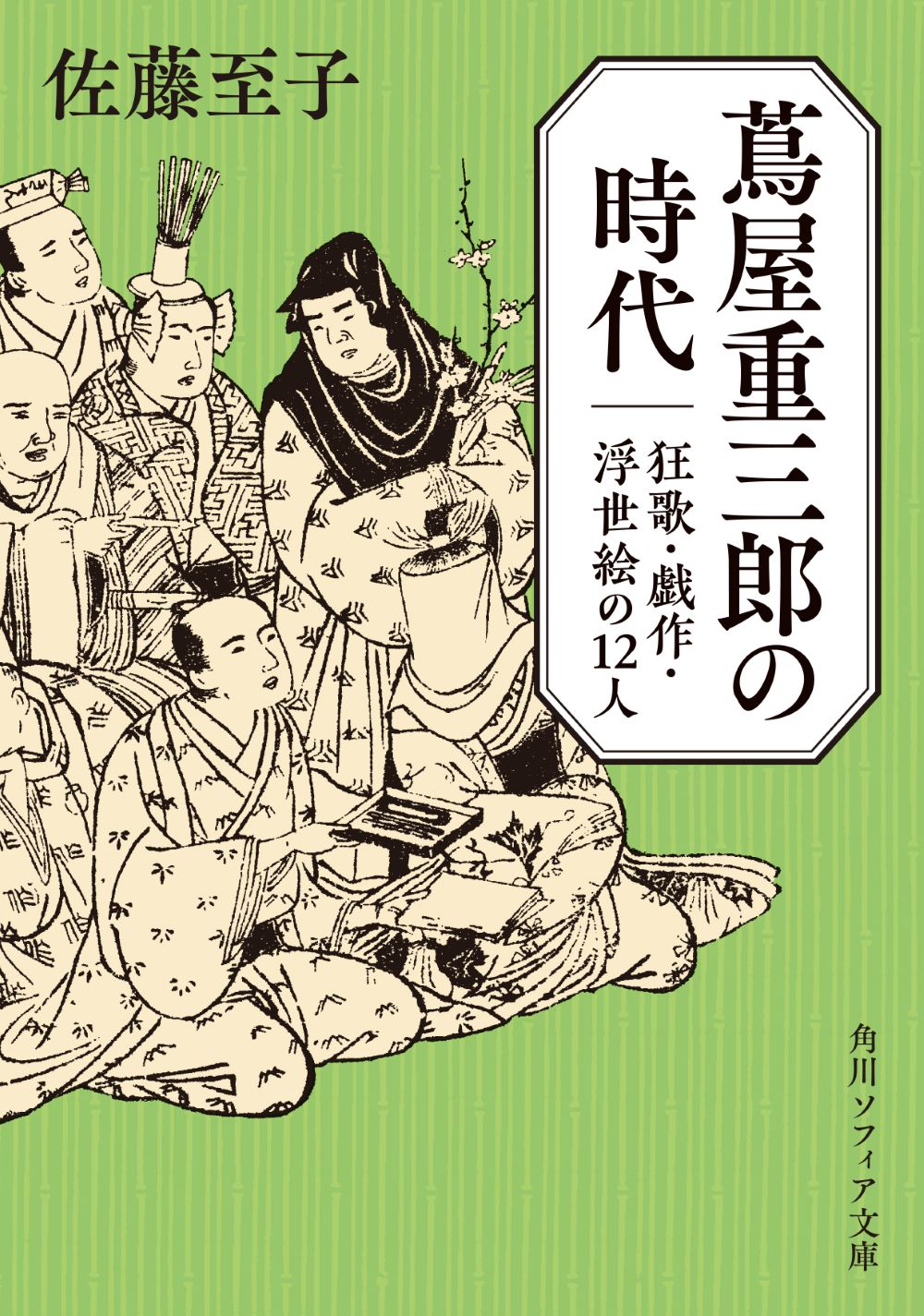
Kadokawa Sophia Bunko Tsutaya Jūzaburō no Jidai (The Age of Tsutaya Jūzaburō - The Twelve People Active in Kyōka, Gesaku and Ukiyo-e)
Size
288 pages, paperback pocket edition
Language
Japanese
Released
November 25, 2024
ISBN
9784044008062
Published by
KADOKAWA
Book Info
See Book Availability at Library
Japanese Page
Tsutaya Jūzaburō (henceforth Tsutajū) is a commercial publisher who was active in the megacity of Edo (modern-day Tokyo) in the second half of the eighteenth century. He was versatile in the publication of many genres, including graphic narratives (kibyōshi; “yellow-cover books”), “books of wit and fashion” (sharebon), guidebooks to the Yoshiwara pleasure quarter (Yoshiwara saiken), textbooks (ōraimono), and ukiyo-e prints. His life was dotted with highs and lows, with his graphic narratives enjoying great popularity but also incurring censorship in the Kansei era (1789–1801). He died at the age of 48, in 1797.
This monograph focuses on Tsutajū and on individuals with whom he had deep relationships, delving into their activities. I explain in detail key events and texts, so that, upon perusing the book in its entirety, my reader can develop a concrete understanding of the culture of entertainment in early modern Japan. The chapters introduce Ōta Nanpo (aka Yomo no Akara), Akera Kankō, Ishikawa Masamochi (aka Yadoya no Meshimori), Koikawa Harumachi, Hōseidō Kisanji, Santō Kyōden (aka Kitao Masanobu), Kyokutei Bakin, Jippensha Ikku, Kitao Shigemasa, Katsushika Hokusai (aka Katsukawa Shunrō), and Kitagawa Utamaro.
They were connected not only with Tsutajū but also among each other, in a horizontal network. I shall provide some examples here. Koikawa Harumachi belonged to the warrior class and, alongside the duties connected with his status, he was also an author of graphic narratives and participated in the playful activity of kyōka poetry (mad verse) together with Ōta Nanpo. His poems were included in the poetic anthology titled Manzai kyōka shū, edited by Ōta Nanpo and Akera Kankō, and published by Suharaya Ihachi. Harumachi wrote with humour about the circumstances that led to the creation of this anthology in one of his graphic narratives titled Manzai shū chobi raireki. This was issued by Tsutajū. Harumachi also had close collaborations with Hōseidō Kisanji, often illustrating his graphic narratives and even using Kisanji as the model for the protagonist of his own graphic narrative titled Yoshiwara daitsūe (issued by Iwatoya Genpachi).
Kitao Shigemasa and Santō Kyōden (aka Kitao Kasanobu) were master and disciple, hence in what we might view as a vertical relationship. Santō Kyōden was active in the production of both ukiyo-e prints and playful literature (gesaku), but in 1791 some of the “books of wit and fashion” (sharebon) that he published with Tsutajū were censored by the government, with the result that they were taken off the market and Kyōden himself ended up being manacled. In the previous year, Kyokutei Bakin visited Kyōden and asked to be accepted as his disciple. Kyōden was not receptive to this request but developed a friendship with Bakin. As a result, Bakin spent time in Kyōden’s house, helping with the work and benefitting from an introduction to Tsutajū that allowed him to work as an apprentice in Tsutajū’s shop.
By following the achievements of Tsutajū and his network, it is possible not only to grasp the human interactions that lay behind specific texts but also to appreciate how activities that started out as amateurish—like mad poetry and gesaku literature—progressively turned into commercial enterprises subsumed to the publishing industry. Tsutajū spearheaded publications that had the potential to become hits and commissioned work to authors by paying a honorarium in advance. It is in the nineteenth century that writing gesaku literature turned into a proper job but it was in Tsutajū’s times that we already witness a movement toward this development.
My wish if that by perusing my monograph the reader will form a deeper understanding of how gesaku literature, rooted in humour, and beautiful illustrated books and ukiyo-e prints were conceived and published.
(Written by SATO Yukiko, Professor, Graduate School of Humanities and Sociology / 2025)