

 Find a book


Title
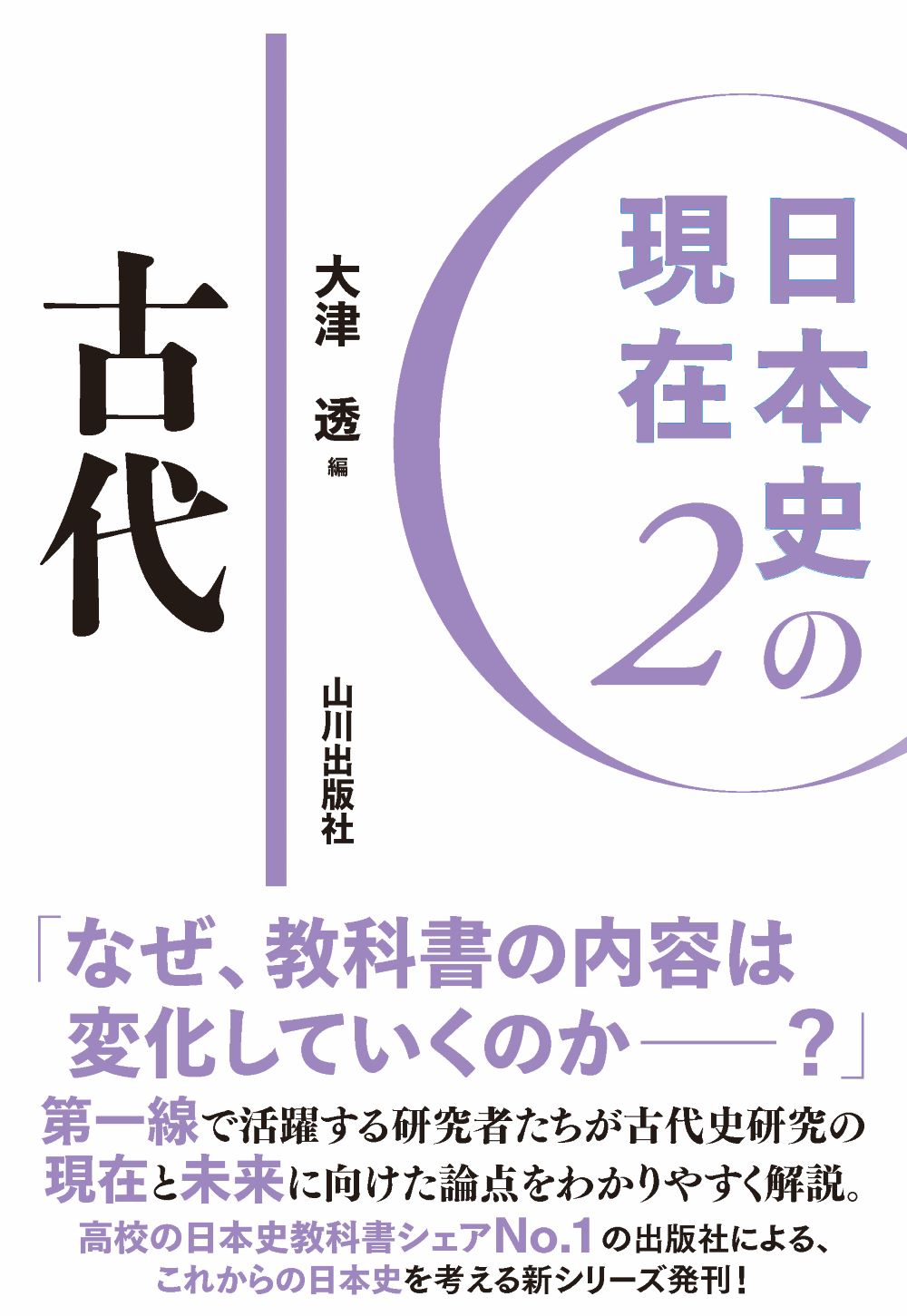
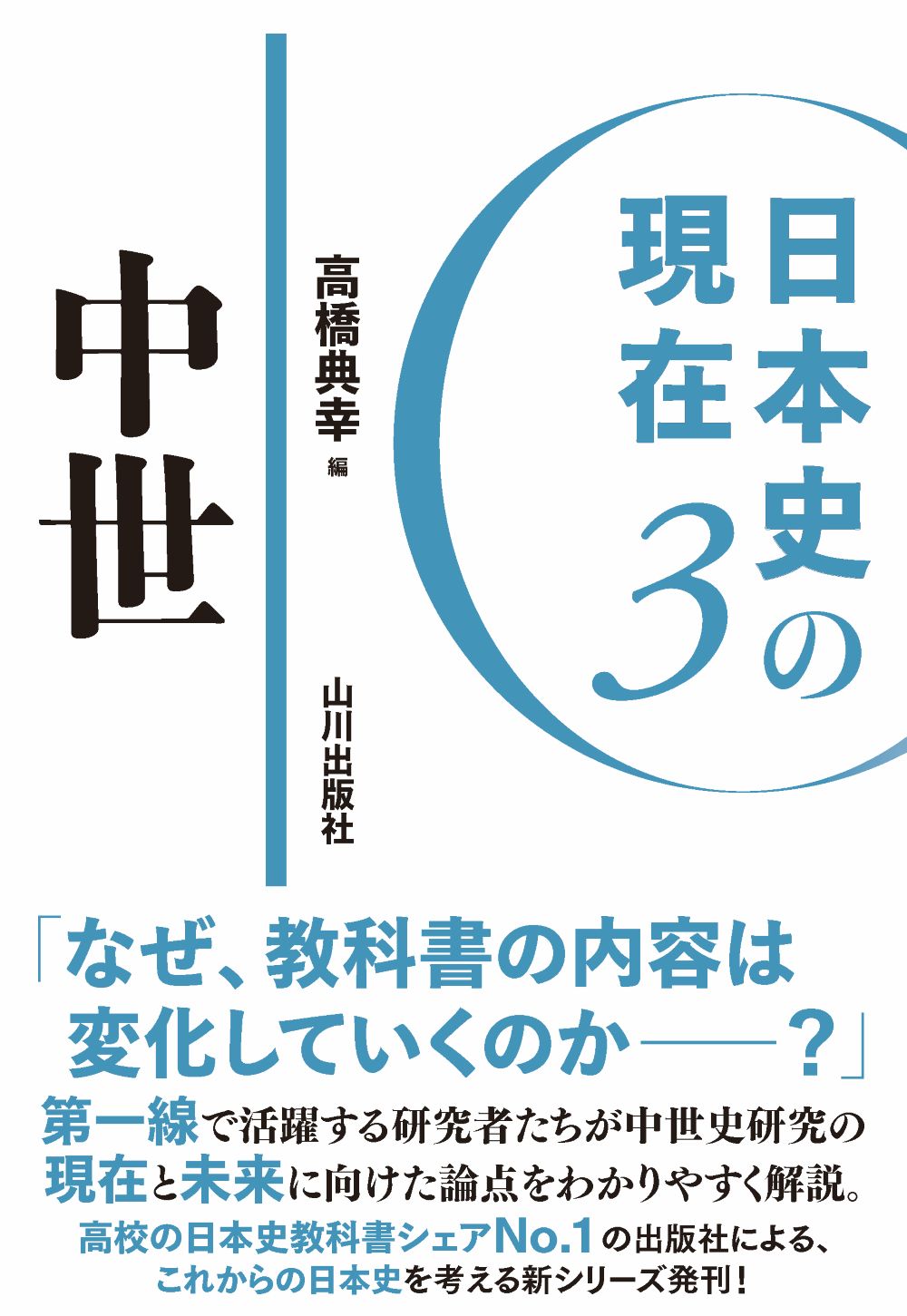
Japanese History Today 3 Chusei (The Medieval Period)
Size
336 pages, 127x188mm
Language
Japanese
Released
June 20, 2024
ISBN
978-4-634-59141-7
Published by
Yamakawa Shuppansha Ltd.
Book Info
See Book Availability at Library
Japanese Page
Our knowledge and understanding of Japanese history largely stems from high school history classes and textbooks we use. These textbooks incorporate the latest historical research and present a clear overview of major historical developments. However, their content is not fixed; rather, it is revised over time to reflect the ongoing progress of historical research. This raises an important question: can we uncover the “current state” of Japanese historical research by examining textbook narratives? “Nihonshi no Genzai” (Japanese History Today), a six-volume series, was planned and published with this intent. Volume 3 examines 20 themes in Japanese medieval history, using textbook descriptions as a starting point and introducing the current state of research on these themes.
The Japanese medieval period is often imagined as the “Age of the Samurai.” While the samurai are certainly a central theme, each chapter in this volume clarifies that their history cannot be discussed in isolation from the Imperial Court and aristocratic society. Another indispensable topic is the shōen (estate) and the shōen system. Although widely considered difficult to teach; research in this field has advanced remarkably in recent years, and textbook accounts have changed accordingly. This volume offers an accessible introduction to these developments.
The medieval economy has long been described as evolving from a self-sufficient stage toward a commodity economy; however, this image is now being completely transformed, largely due to the active use of archaeological research. The spread of currency, specifically copper coins (zeni)—traditionally explained as evidence of a growing monetary economy–has also been revealed to have a close relationship with the international situation at the time. Although the medieval period has often been imagined as an era of limited diplomatic relations, recent studies emphasize that foreign relations exerted a far greater influence on medieval Japan than previously thought.
“Nihonshi no Genzai” also focuses on topics currently debated at the forefront of Japanese historical research, including those not yet incorporated in textbooks. In medieval studies, growing attention has been paid to the relationship between humans and nature. This book introduces research that reconstructs medieval climate changes (such as shifts in temperature and precipitation) through joint collaboration with scientists and reevaluates medieval society structures accordingly.
We hope that readers will not only grasp what research has already revealed and what is emerging but also gain insight into how such research is conducted and the types of discussions currently underway.
(Written by TAKAHASHI Noriyuki, Professor, Graduate School of Humanities and Sociology / 2025)