


Comparative Politics Talk / RCAST Security Seminar
Details
| Type | Lecture |
|---|---|
| Intended for | General public / Enrolled students / Alumni / Companies / University students / Academic and Administrative Staff |
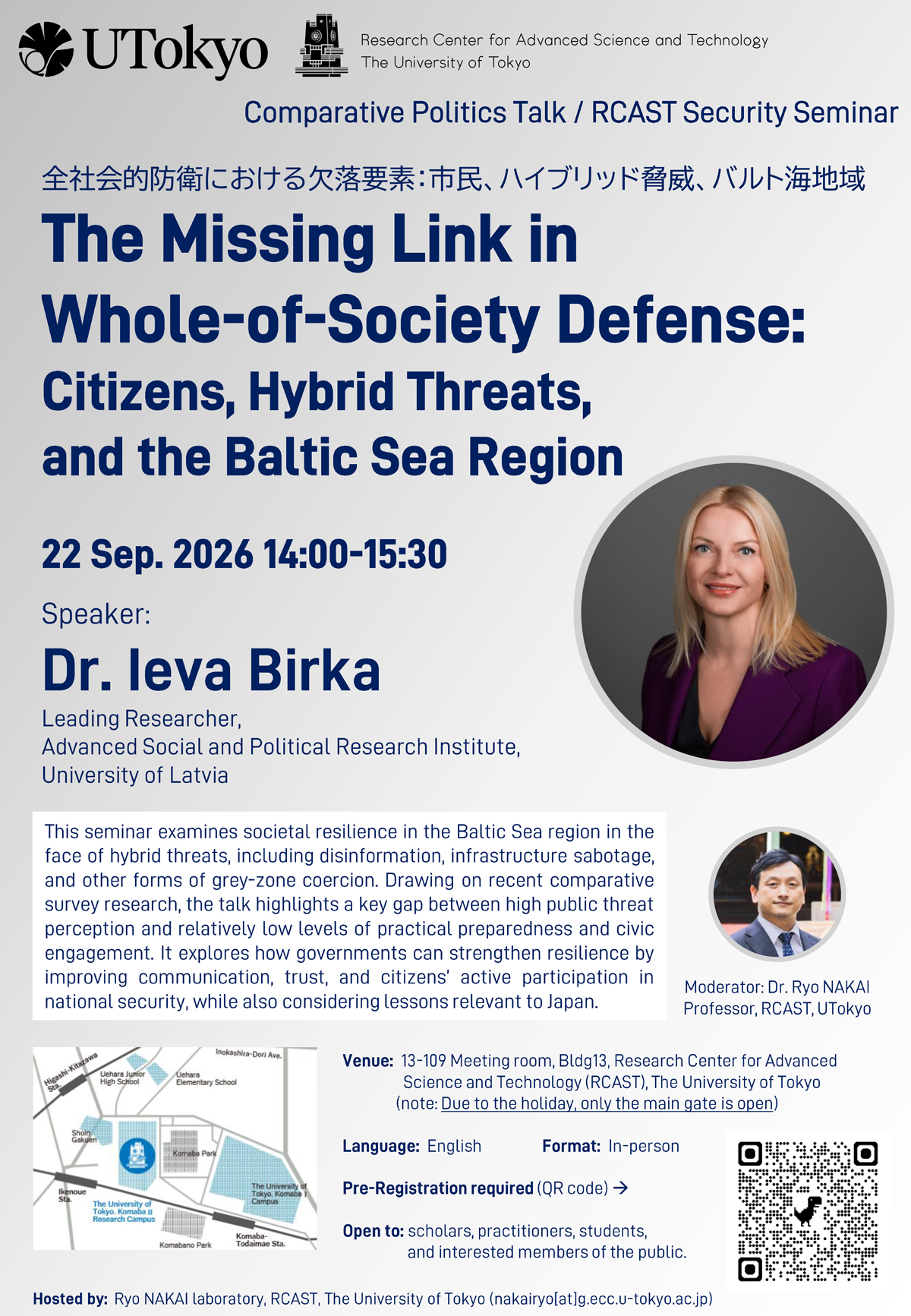
| Date(s) | September 22, 2026 14:00 — 15:30 |
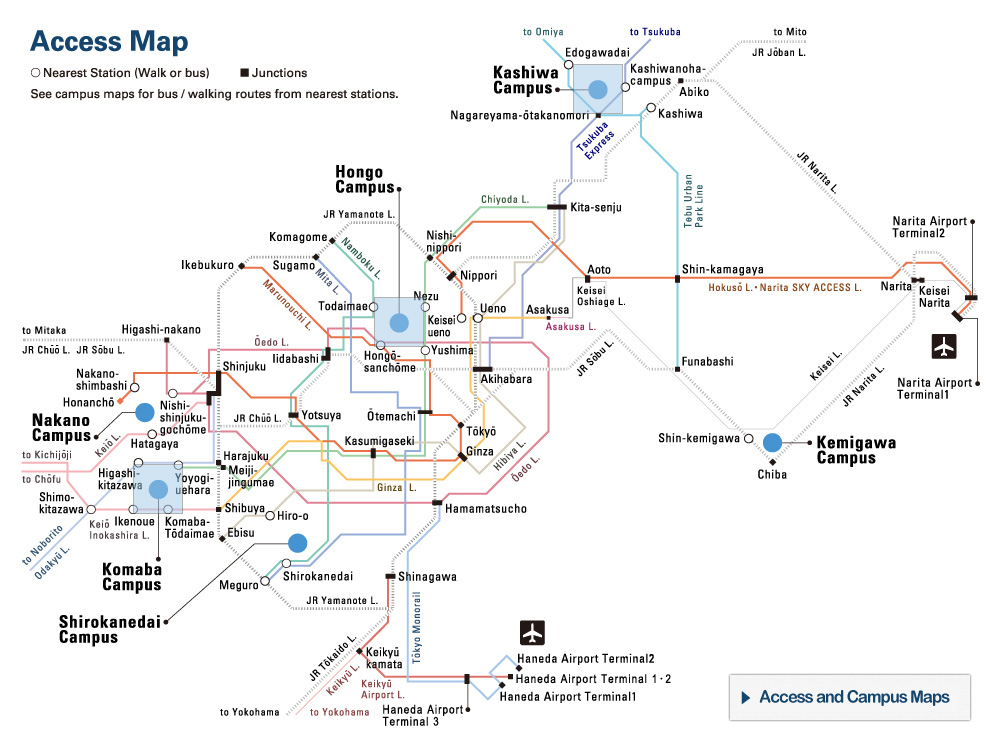
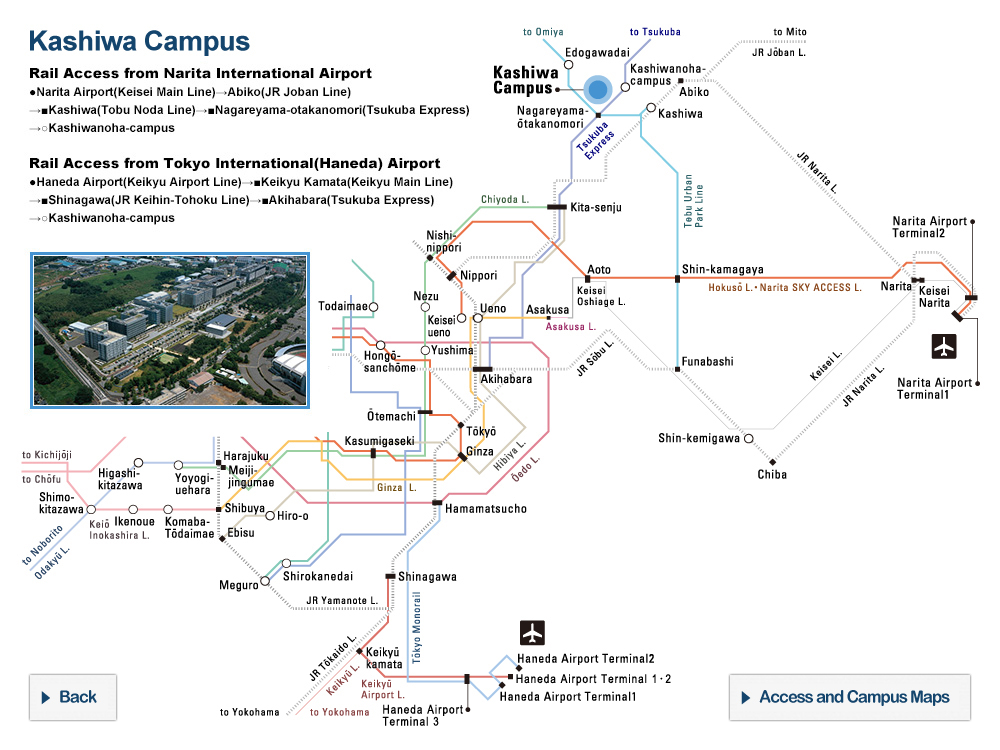
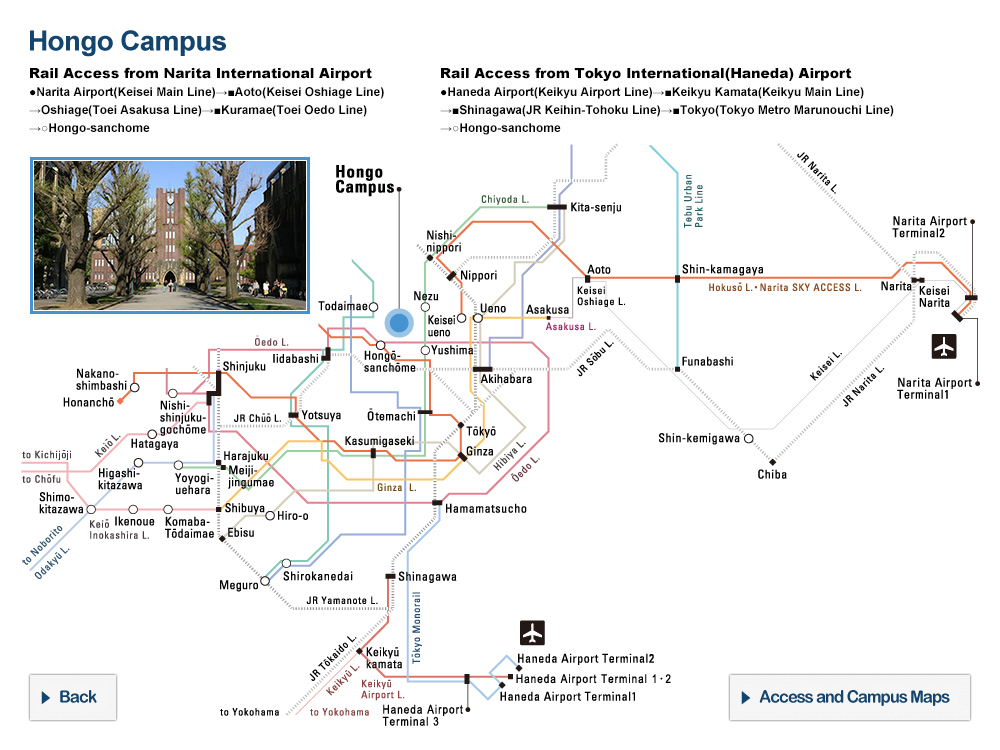
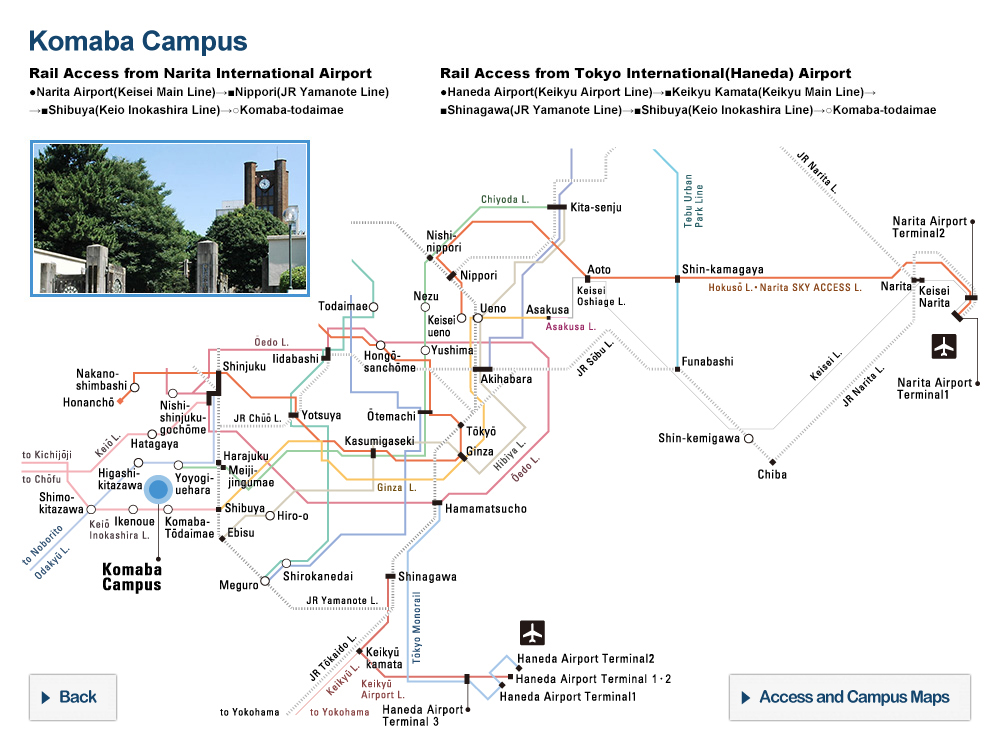
| Location | Komaba Area Campus |
| Venue | 13-109 meeting room, building 13, Research Centre for Advanced Science and Technology (RCAST), The University of Tokyo note: Due to the holiday, only the main gate is open |
| Entrance Fee | No charge |
| Registration Method | Advance registration required
Registration Method: Pre-registration required https://forms.gle/BB7ZNTFMSAdgqsxdA
|
| Registration Period | August 26, 2026 — September 22, 2026 |
| Contact | Contact: Ryo Nakai, Professor RCAST |
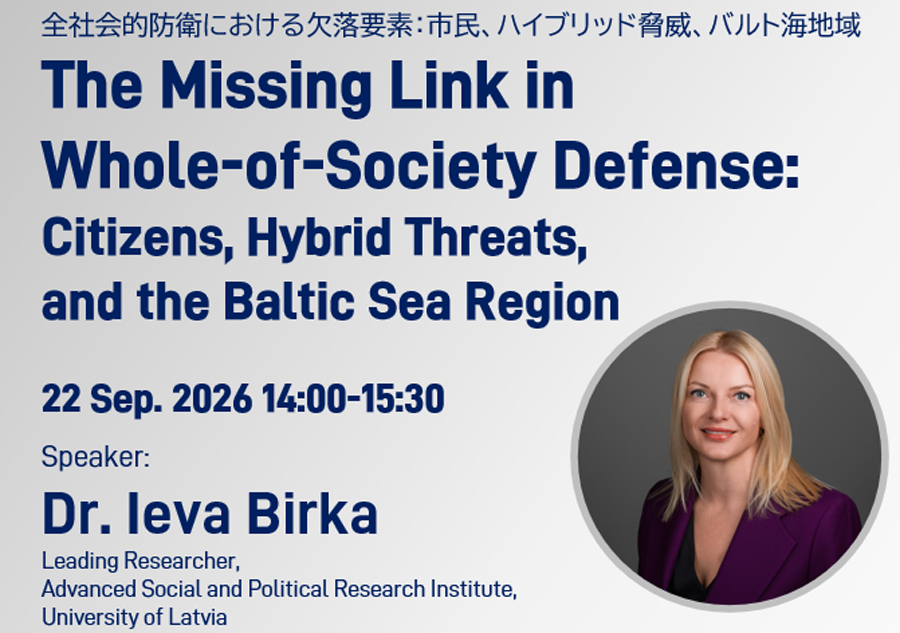
Comparative Politics Talk / RCAST Security Seminar ”The Missing Link in Whole-of-Society Defense: Citizens, Hybrid Threats, and the Baltic Sea Region”
【Speaker】
Dr. Ieva Birka (Leading Researcher, Advanced Social and Political Research Institute, University of Latvia / Director, Future Leaders Academy, Stockholm School of Economics Riga)
【Moderator】
Ryo NAKAI (Professor of Comparative Political Dynamics, RCAST, UTokyo)
The Baltic Sea region stands at the front line of Europe's confrontation with hybrid threats — disinformation, infrastructure sabotage, drone incursions, and coercion that deliberately stays below the threshold of open conflict. Latvia, Lithuania, Estonia, and their Nordic neighbours have responded with substantial institutional investment, from mapped shelters to whole-of-society defence doctrine. But does the public actually understand and trust these efforts?
Join us for a talk by Dr. Ieva Birka, a leading Latvian researcher on societal resilience at the University of Latvia, who will present original survey findings from over 5,000 residents across seven Baltic and Northern European cities. Her research reveals a striking paradox: threat perception is high — two-thirds of Vilnius residents and more than half of those in Riga see a military attack as a major threat — yet practical readiness lags far behind, with only 16% of Riga residents feeling adequately prepared and just 14% aware of their nearest shelter.
Dr. Birka will argue that this gap is a communication challenge, not a resource shortfall, and will explore how democracies can build genuine civic vigilance without eroding public trust. She will close by drawing out lessons directly relevant to Japan's own experience with grey-zone coercion and infrastructure protection.
We look forward to welcoming you to this timely and comparative discussion.