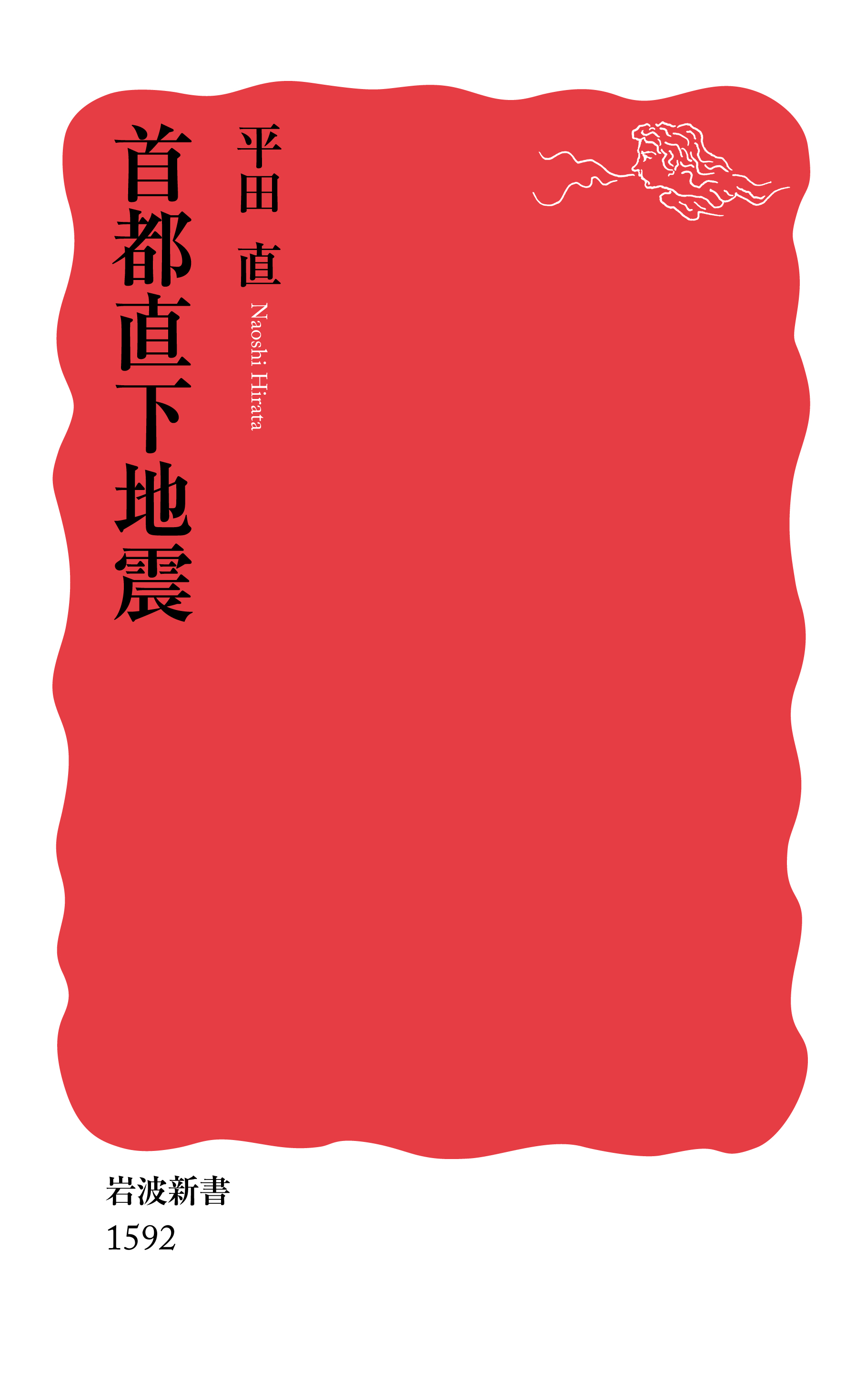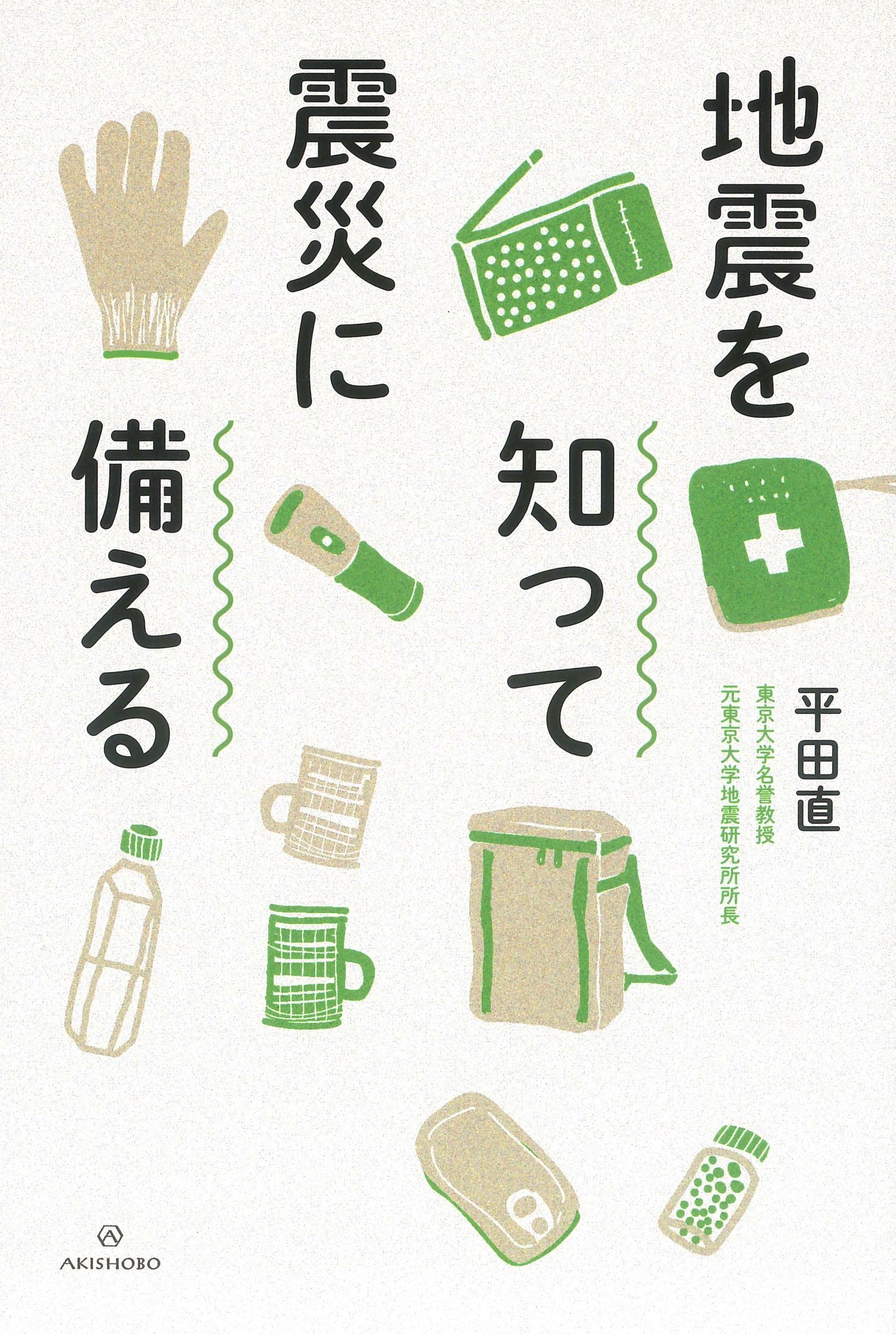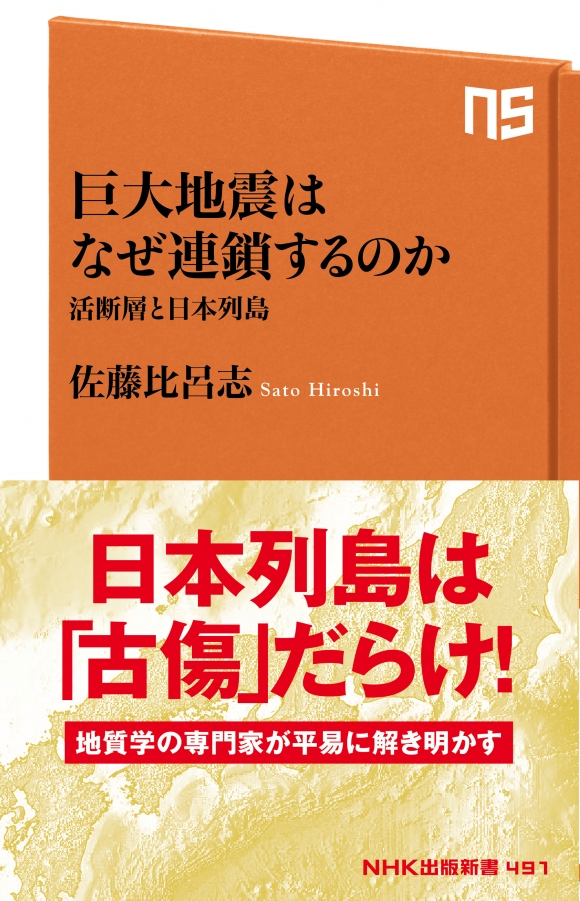


 Find a book


Title
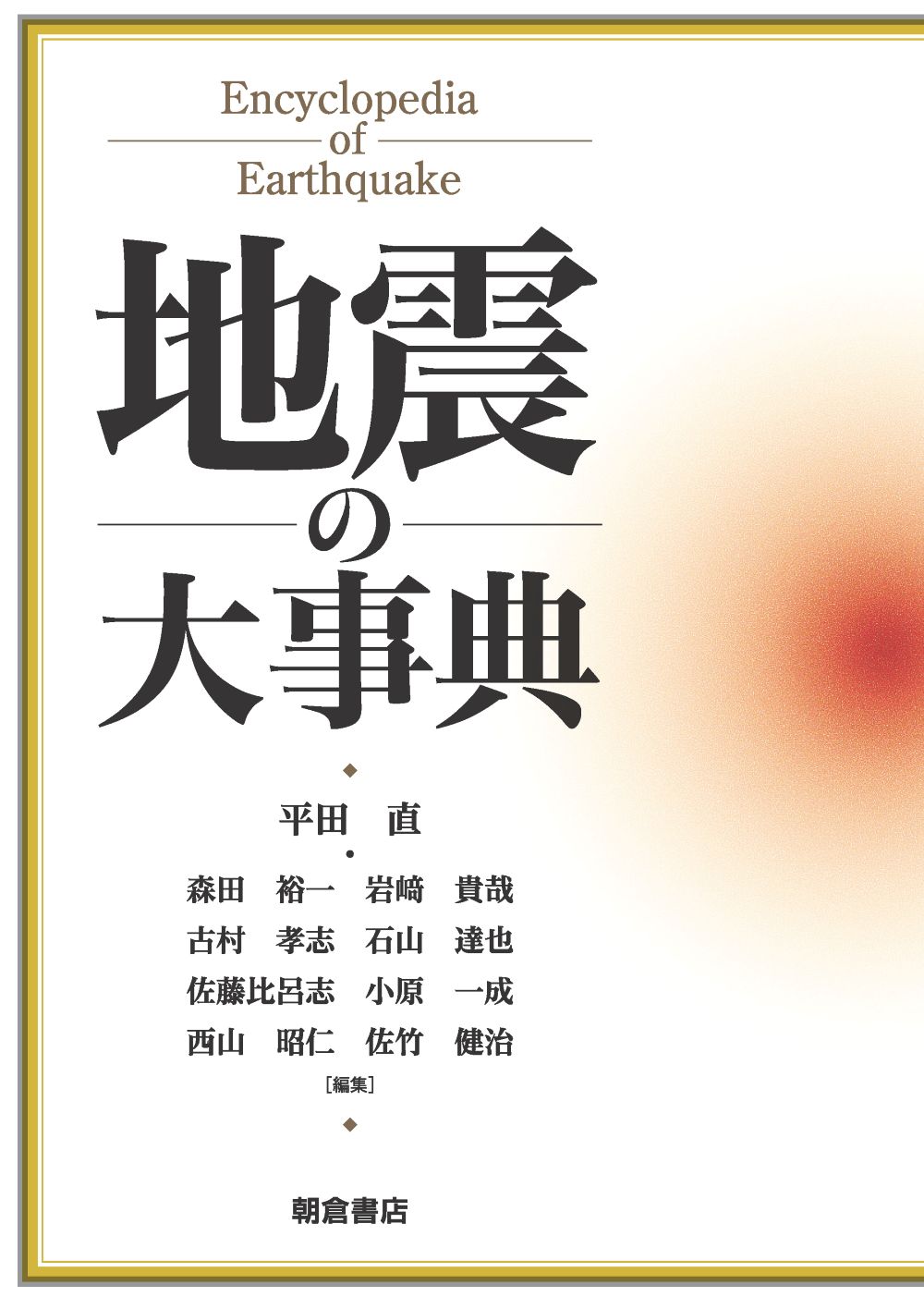
Encyclopedia of earthquake Jishin no Daijiten (The Encyclopedia of Earthquakes)
Size
576 pages, B5 format
Language
Japanese
Released
June 01, 2025
ISBN
978-4-254-16082-6
Published by
Asakura Publishing Co., Ltd.
Book Info
See Book Availability at Library
Japanese Page
 eBook
eBook
The Encyclopedia of Earthquakes: A Definitive Guide to Japan's Seismic "Now"
The newly published "Encyclopedia of Earthquakes" encyclopedia of earthquakes represents a fundamental and comprehensive renewal of previous editions (1987 and 2001), serving as a definitive summary of the current state of seismology in Japan. Driven by the vast accumulation of knowledge and the significant changes in the nation's seismic landscape over the past two decades, this volume integrates the latest research findings on pivotal events. Notably, it includes crucial data and analyses from the 2011 Tohoku-oki Earthquake, the 2016 Kumamoto Earthquake, and the 2024 Noto Peninsula Earthquake. The book is a collective effort by Japan's seismological community, designed to convey both widely and deeply the "now" of earthquakes—both as a natural phenomenon and in terms of essential disaster prevention measures.
Core Features: From Phenomena to Practice
This encyclopedia transcends a simple catalog of seismic events, offering mathematical rigor, detailed seismological significance, and practical disaster prevention guidance. It is structured to serve both academic and practical needs, making it an indispensable resource for a wide readership ranging from specialized researchers and students to engineers, local government disaster management staff, and media professionals.
1. In-Depth Exploration of Earthquake Mechanisms
A major focus is placed on the field of earthquake occurrence as a natural phenomenon, an area that is often underrepresented in conventional textbooks. This book enhances the description of structural geology to explore the fundamental mechanisms of earthquakes. It explains that the highly active seismicity in/around the Japanese island arc is driven both by relative plate motions and by the many structural interfaces (weak surfaces) existing within the crust and mantle, emphasizing that understanding the geological setting is essential for modern seismology.
2. Covering World-Class Breakthrough Knowledge
This volume details the latest advancements on seismology pioneered by Japanese researchers. A key example is the extensive research stemming from the Magnitude (M) 9.0 Tohoku-oki Earthquake, which provided unprecedented insights into Japan's largest recorded seismic event. Furthermore, it comprehensively explains the discovery and seismological significance of the "slow earthquake," a breakthrough that resulted directly from the high-sensitivity seismograph network (Hi-net) developed in Japan following the Great Hanshin-Awaji Earthquake Disaster and the continuous, in-depth research utilizing its data.
Disaster Response and Observation Technology Frontiers
Beyond earthquakes as purely natural phenomena, the encyclopedia provides extensive coverage of catastrophic seismic events such as the Great Hanshin-Awaji Disaster and the Great East Japan Earthquake Disaster. These experiences have led to significant improvements in the earthquake observation network and the nation's disaster prevention system framework.
This book comprehensively describes the development and research outcomes of key national observation networks: Hi-net (the high-sensitivity seismic observation network (Hi-net), GOEONET (GNSS Continuous Observation System), and S-net (Japan Trench Submarine Earthquake and Tsunami Observation Network).
It also explains the latest systems contributing to practical disaster prevention measures, including the methods for issuing provisional information regarding the anticipated Nankai Trough earthquake and the national disaster prevention response framework. The participation of many young researchers ensures that the content is a vibrant collection of scientific insights centered on contemporary Japanese seismology, realizing a book of remarkably high practical value. The renewal of the tables of major Japanese and global earthquakes with the latest data further solidifies its status as up-to-date and essential references.
Readership: This encyclopedia supports the knowledge of a broad spectrum of experts, satisfying the intellectual curiosity of academics and the practical needs of frontline personnel, making it a critical tool for anyone involved in earthquake science, education, engineering, or disaster response.
(Written by HIRATA Naoshi, Professor Emeritus, Earthquake Research Institute / 2025)
Related Info
ERI Centennial Talk: Dr Naoshi HIRATA, Professor Emeritus, UTokyo (Earthquake Research Institute, Univ. Tokyo / ERI | YouTube Dec 3, 2025)
https://www.youtube.com/watch?v=nDDfmF_9NYM
Related Info:
Updated Nankai Trough quake estimates fuel uncertainty (The Asahi Shimbun Sept 29, 2025)
https://www.asahi.com/ajw/articles/16057759
Japan revises 30-year probability rate of Nankai Trough megaquake (The Japan Times Sept 27, 2025)
https://www.japantimes.co.jp/news/2025/09/27/japan/japan-nankai-trough-megaquake-probability/