


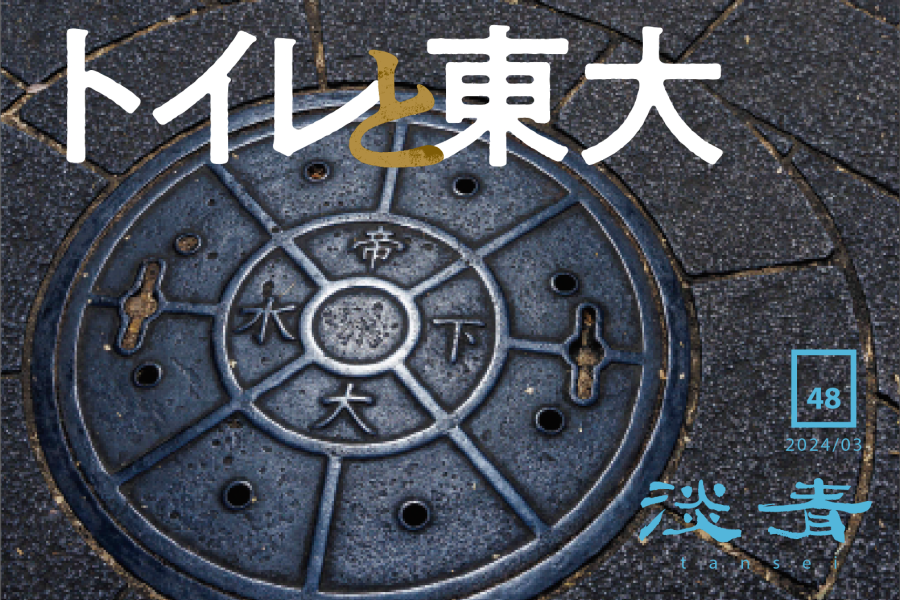
Daoism (also known as Taoism) is among the so-called Hundred Schools of thought of Chinese philosophy, which emerged in the 6th-3rd centuries B.C. In Daoism’s seminal text the Zhuangzi, there is a line, “The Dao is in feces and urine.”
Daoists see the Dao (the Way) as the principle underlying all things. What is meant by this maxim that the Dao is in bodily waste, then?
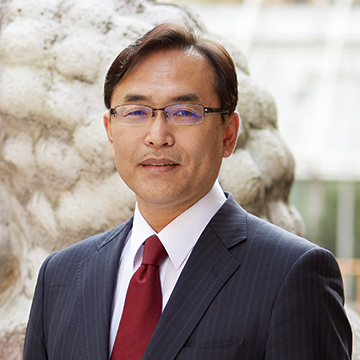
Professor Takahiro Nakajima of the Institute for Advanced Studies on Asia, the author of a book on the philosophy of the Zhuangzi, goes into what the saying signifies.
Chinese philosophy and bodily waste
Getting philosophical about the Dao in bodily waste
NAKAJIMA Takahiro
Professor, Institute for Advanced Studies on Asia
Dao and the art of excretion
While the Dao advocated by Daoists carries many meanings, the Dao taught by Zhuang Zhou — commonly known as Zhuangzi (“Master Zhuang”), one of the authors of his eponymous work the Zhuangzi, considered one of the definitive interpretations of the philosophy — means technique or skill, as well as something cultural that includes those aspects. For instance, chefs command mastery of culinary cutlery skills because they have acquired the Dao. And not only skilled tradespeople but ordinary people as well use a variety of skills in their daily lives. For instance, at the bathroom sink, they employ a personal technique for brushing their teeth; in the kitchen, certain skills to cook; and in the bathtub, a way to bathe. The Dao permeates every situation and every thing, even human waste. It is omnipresent and we cannot escape it. Although the method of passing waste may vary from culture to culture, it involves technique and the Dao as well. But babies are the exception, peeing and pooing wherever and whenever they please, while the same does not hold true for grown-ups, who, when feeling the urge, go to the toilet, relieve themselves and wipe with toilet paper after they’ve finished their business. This also means they have acquired the Dao.
Looking at modern history, scatalogical metaphors were often used to symbolize people in colonized regions. In his thesis titled “Constipation and Diarrhea,” Hwang Hoduk, a South Korean literature scholar, discussed a literary work depicting the oppressed people of a colony, described as a prison, excreting. Issues of feces and urine also permeate colonial literature. In the film King of the Children (1987) directed by Chinese director Chen Kaige, a father and son of an ethnic minority group, who live deep in the mountains, appear in the story. The father, who is unable to speak, is nicknamed “soft stool.” The son has a deep admiration of culture. A cowherd boy, who draws patterns on the blackboard with cow dung, also appears in the film. Patterns are, of course, something cultural. Dao has penetrated all around them.
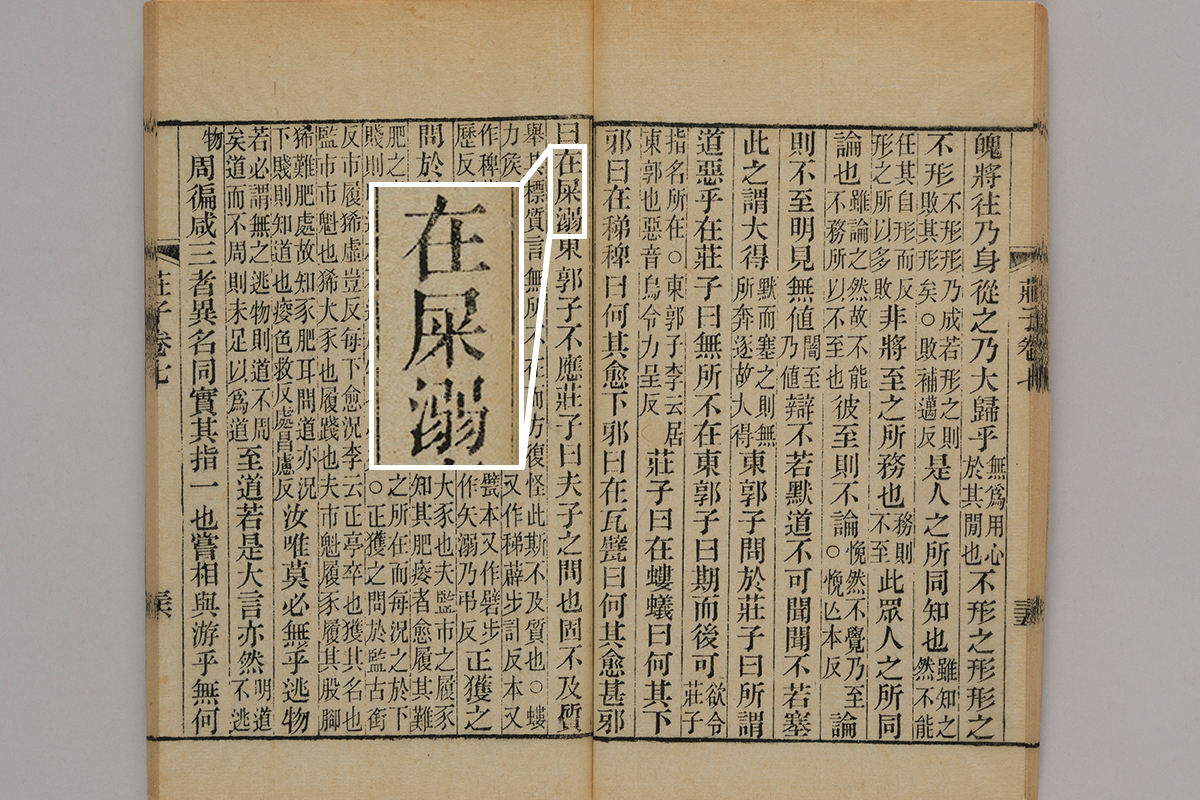
From the Catalogue of Classical Chinese Books database held by the Institute for Advanced Studies on Asia, The University of Tokyo

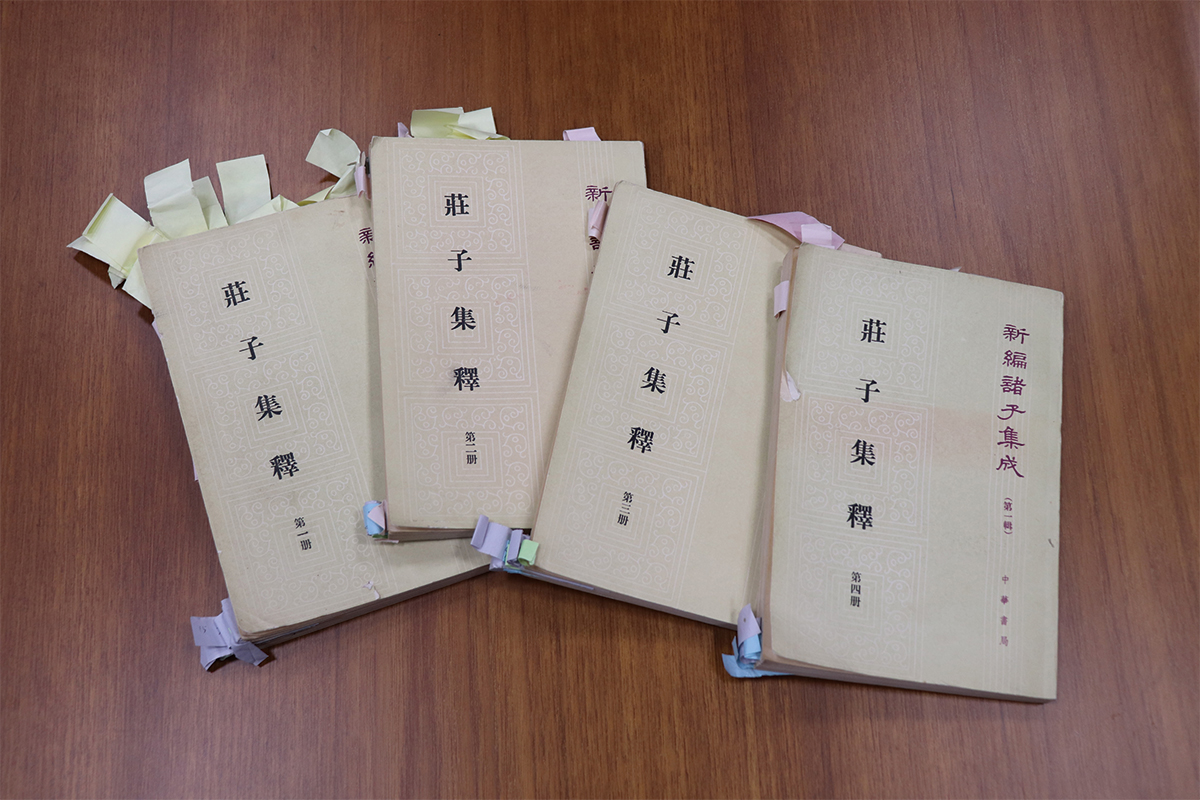
When asked where the Dao is, Zhuang Zhou replied it was everywhere: in ants, weeds, potsherds, and even in feces and urine. This appears in the “Zhi Bei You” (“Knowledge Wanders North”) chapter of the outer books of the Zhuangzi.
Freedom through passivity
The Dao arouses desire, and desire leads to the development of culture. Through culture, people acquire skills, and become toilet trained. However, Zhuang Zhou poses the question: Shouldn’t people be allowed to break free from the Dao? Humans are like figures suspended upside down from a rope descending from heaven, and freedom is found when that rope is cut. Zhuang Zhou wanted to see our liberation from heaven, and he himself wanted to enter the realm of freedom. But that is difficult to do, and at some point, we have to give up and become passive. For Zhuang Zhou, complete adherence to passivity was the sole path open, and the 20th-century Chinese intellectual Hu Shih stipulated that this underpinned Zhuang Zhou’s philosophy of ambivalence. While many people would place importance on proactivity and effort, Zhuang Zhou threw cold water on such thinking.
When I was in my teens, I encountered the phrase “The Dao is in feces and urine.” I was blown away, as if struck in the head and left reeling. I felt compelled to question the culture of cleanliness all around us, in which I had been immersed. Cleanliness and purity are powerful elements of culture. Zhuang Zhou sounded the alarm over such a centralized, monolithic way of thinking. I myself am immersed in the world of the university that is inseparable from culture, and I sometimes grow tired of this world. That is when Zhuang Zhou offers a type of imagination and inspiration that the Confucians cannot.
In recent years, neo-Daoists have emerged in Taiwan. They aim to address anthropic environmental crises, caused by people, by rereading the Zhuangzi. In pre-modern times, people possessed a strong sensibility toward beings such as deities and Buddhas, which transcended humans. However, that gradually started to diminish, and anthropocentrism grew stronger. I think that Zhuang Zhou who could criticize anthropocentrism without appealing to divine beings, offers insights for modern times.
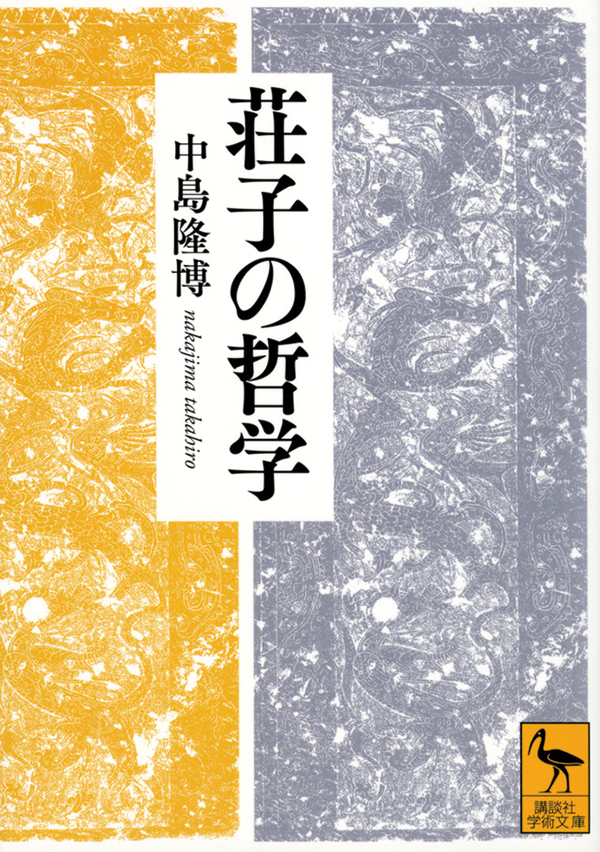 This is the revised edition of the Zhangzi published in 2009 by Iwanami Shoten. A narrative on Dao being in feces and urine can be found in Part II, Chapter 2, “Michi no kikikata – Michi wa shinyō ni ari (How to ask for directions – Dao lies in feces and urine).