




While conducting fieldwork in the highlands of Papua New Guinea, Professor Masahiro Umezaki of the Graduate School of Medicine noticed that the highland inhabitants whose diet consisted of sweet potatoes as the staple food had a well-developed musculature despite their low intake of protein.
Upon analyzing stool samples he had collected from the highland people, Umezaki discovered a key nitrogen-fixing gut bacteria, which could shed light on the symbiotic relationship between humanity and gut microbiota.
Human ecology and feces
Stools suggest why Papua New Guineans on low-protein diet are muscular
UMEZAKI Masahiro
Professor, Graduate School of Medicine

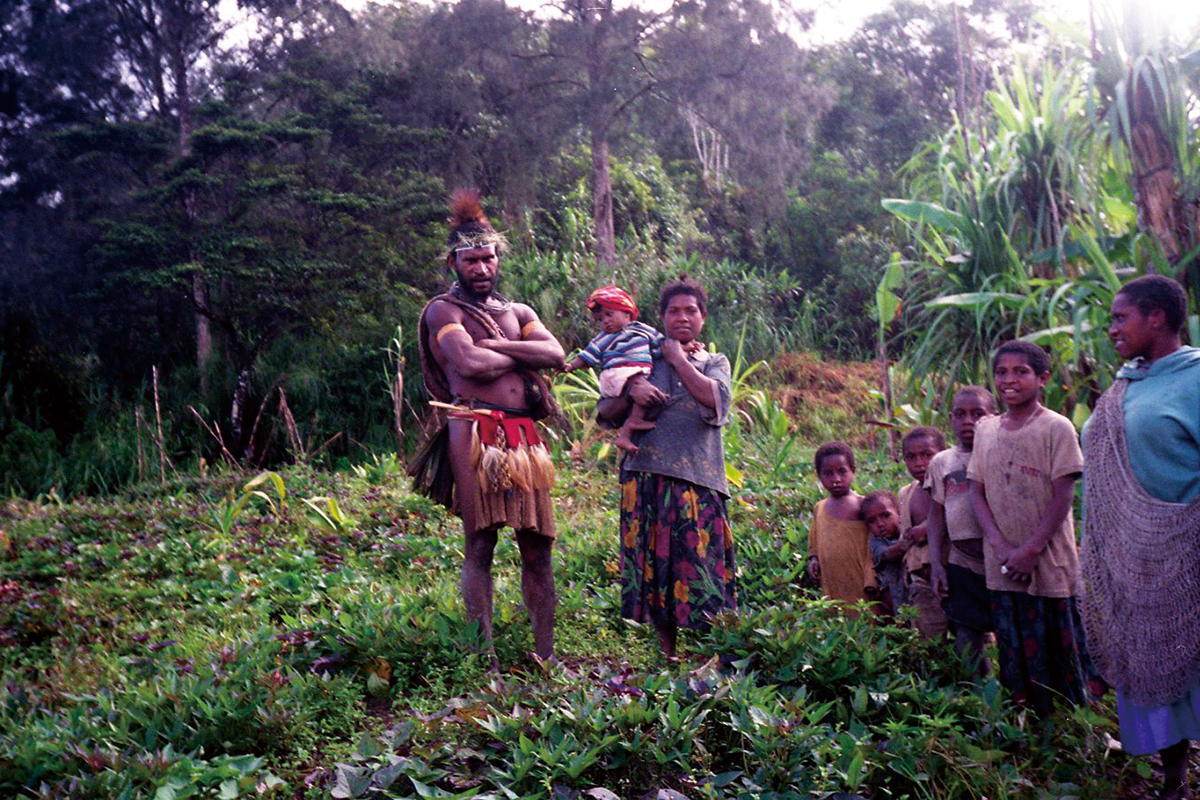
Take lions, for instance. They are carnivorous no matter their habitat. Humans, on the other hand, have varied diets, depending on where they live. Although diversity among humans was relatively limited while they remained in Africa, the species became more diverse as it spread itself by migrating to other regions and adapted to different environments. The field of human ecology aims to understand this diversity among humankind.
Stools put under microscope to investigate gut microbiota
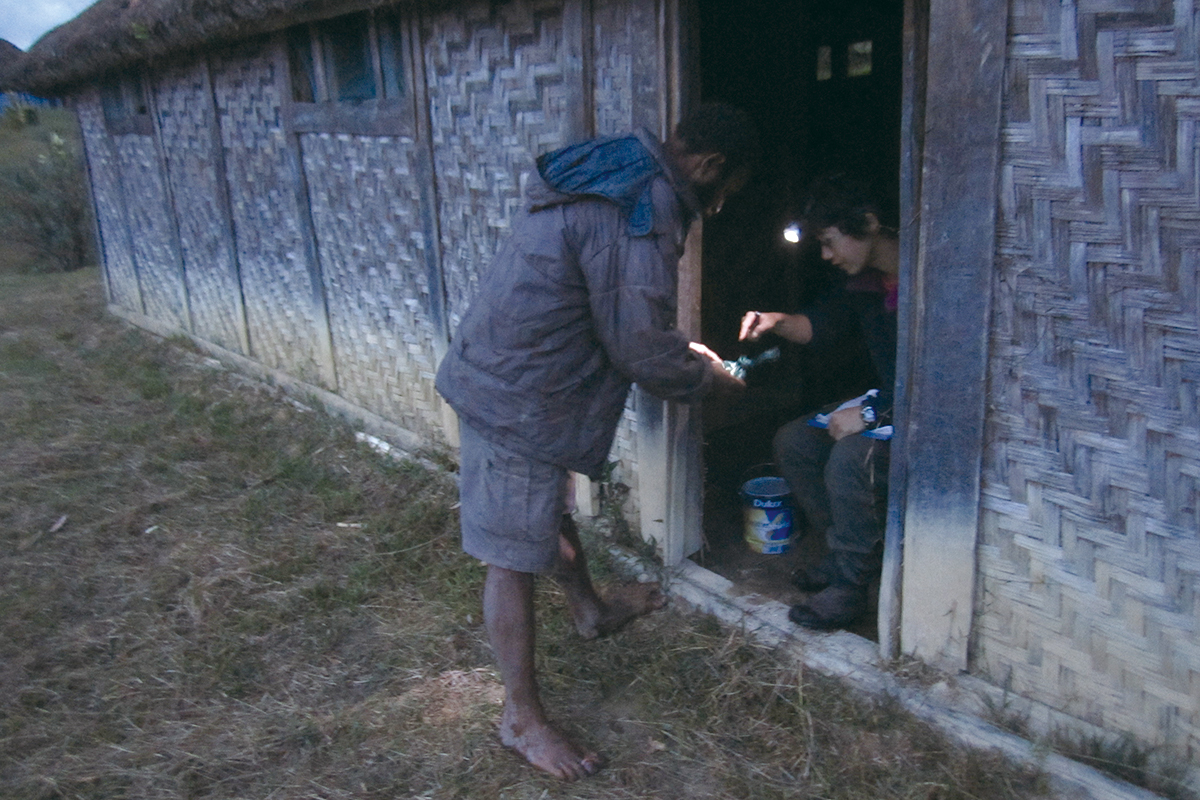
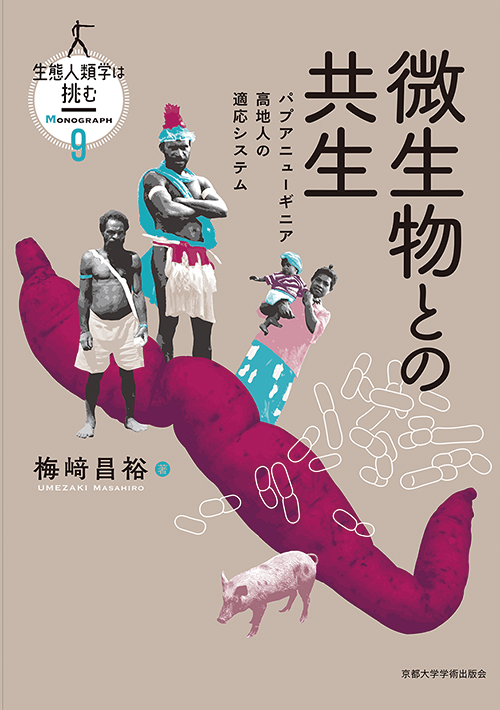
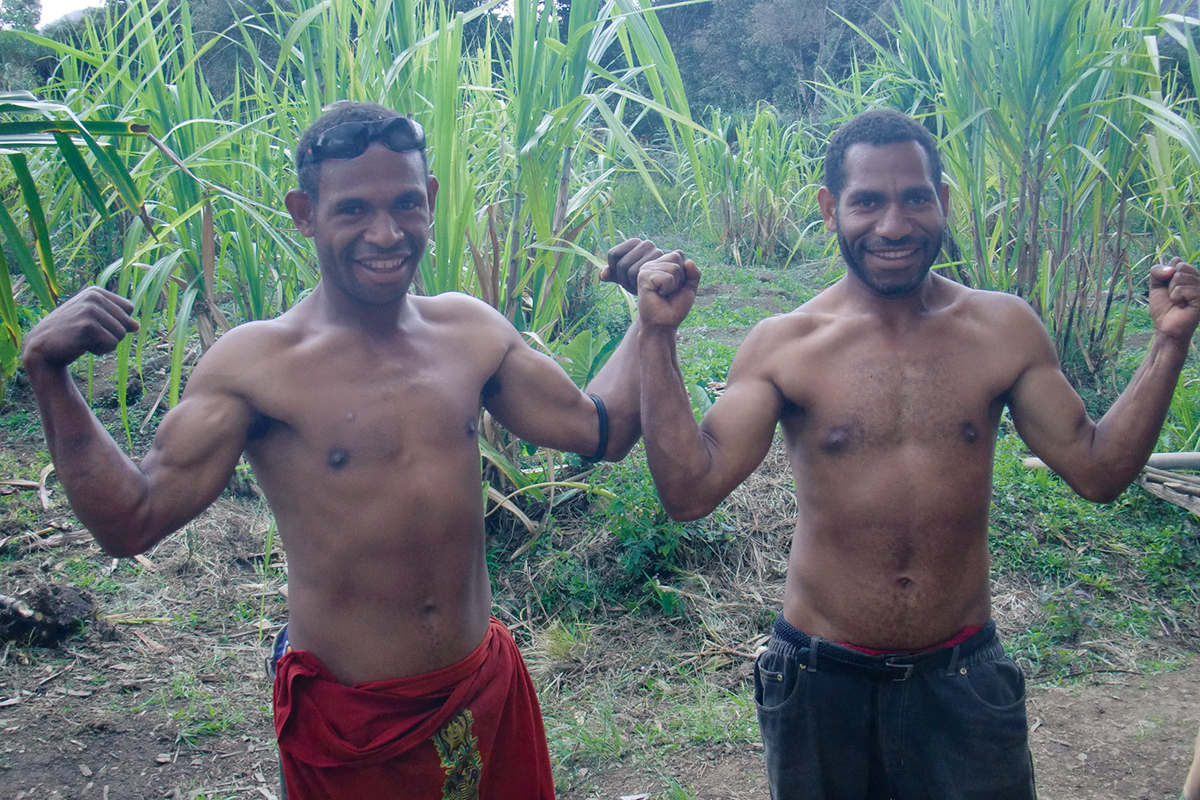
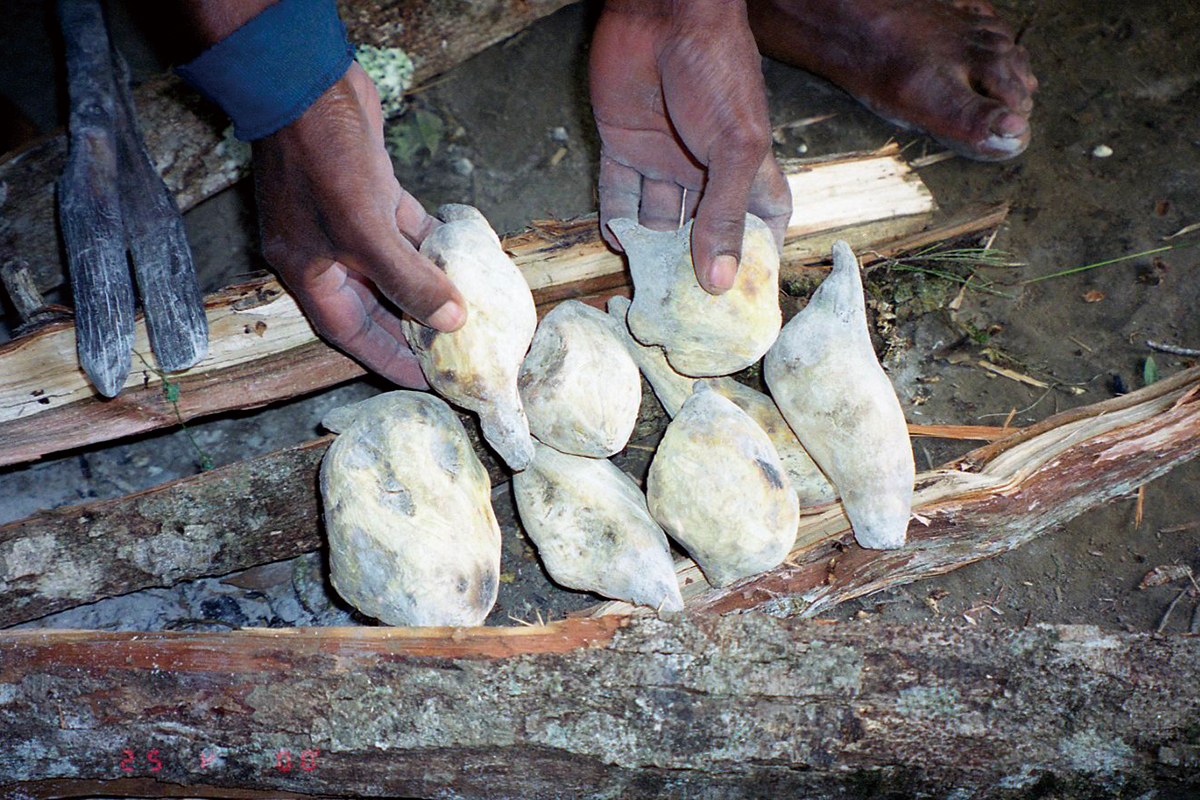
Those of us engaged in the study of human ecology tend to spend extended periods of time at a field site to conduct research. For me, the site was the highlands of Papua New Guinea. The exciting part about this field is to discover topics you otherwise would not see without being on the ground. I was a first-year doctoral student in 1993, when I first set foot on the Papua New Guinea highlands. During my stays there, amounting to more than two years cumulatively, I noticed a lot of people had well-developed muscles, despite an obvious deficiency in protein due to a diet whose main staple was sweet potatoes. This made me wonder whether they have gut bacteria that compensated for the protein deficiency.
The only way to study gut bacteria is by examining fecal samples. Following the advent of next-generation sequencers, I began my research in earnest in 2010. Asking the local people, whom I had gotten to know through my extended stays in their community, I was able to collect about 200 samples. Collecting samples in itself was challenging enough, but transporting them from deep in the mountains was also hard work. Since they contained many anaerobic bacteria, the samples needed to be kept cool in oxygen-free containers. Upon analyzing the samples after returning to Japan, I discovered that the composition of the gut microbiota of the Papua New Guinea highlanders was significantly different from that of Japanese people, and about half of the bacteria were unknown.
Some of the proteins that form muscles may be derived from nitrogen in the atmosphere. Although humans are unable to use inorganic nitrogen in the air, bacteria can convert the nitrogen into ammonia. Some bacteria use the ammonia to synthesize amino acids, which humans can absorb and use. Thus, the gut bacteria of Papua New Guinea highlanders could be thought to fix nitrogen and convert waste products into amino acids, which are used to form muscles. Although experiments on animals transplanted with fecal microbiota have provided interesting outcomes, it remains to be seen whether there is any association with muscle synthesis in humans.
Intriguing symbiosis of gut microbiota and human beings
Even within the same country, the gut microbiota of Papua New Guineans who live in urban areas lack many bacteria found in the gut of their compatriots in the rural highlands. It seems in people living in harsh environments, the level of gut bacteria that can cope with those conditions increases. In contrast, such bacteria tend to decrease in those who live in less harsh environments. The diets of people in urban areas everywhere have become homogeneous. On the other hand, the dietary lifestyle of people in remote areas is different than that in cities. From this, we can start to see the fascinating symbiotic relationship between gut microbiota and humans.
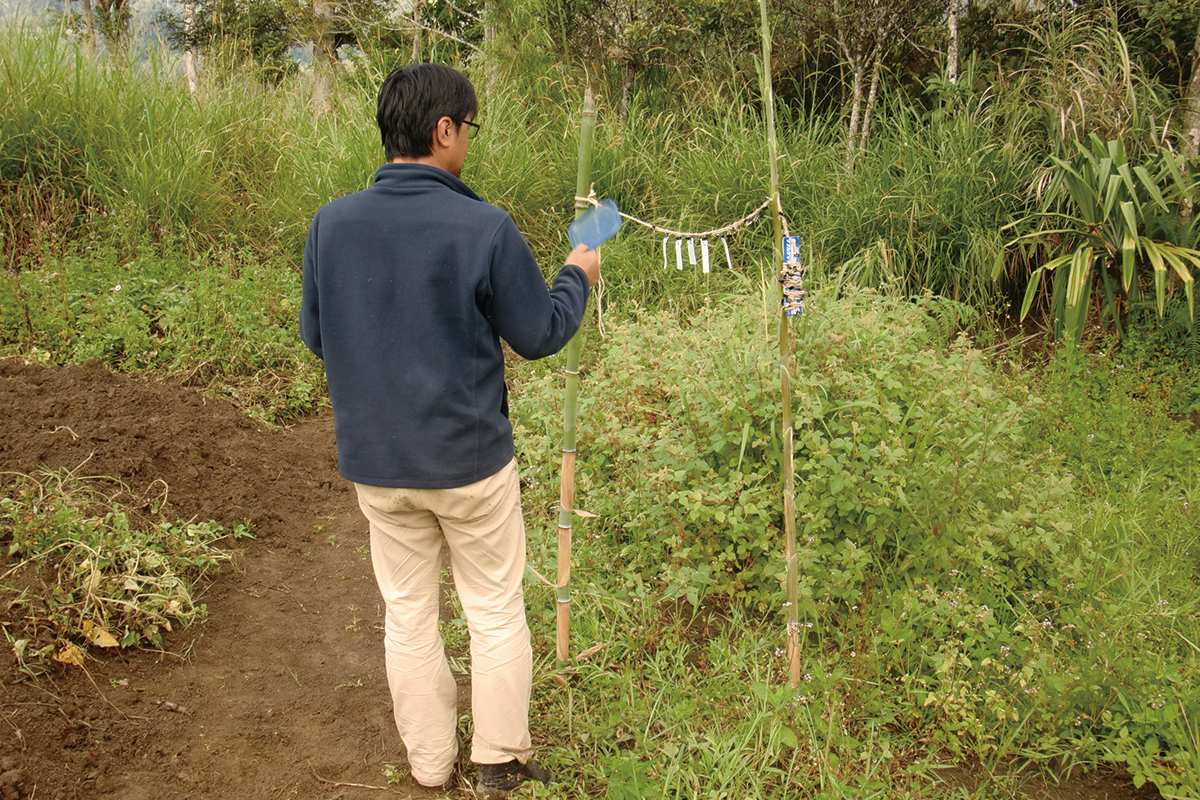
More recently, I have been focusing my research on Laos. Many plants are poisonous, but herbivorous animals are capable of breaking down toxins. It would not be surprising, then, if Laotians, who consume more than 200 kinds of wild plants, were to possess a similar detoxification capability. I have been collecting nearly 700 fecal samples from five villages, and eagerly looking forward to my findings after analyzing the stools. In 2023, I started conducting research on people in Nepal who take an unfiltered alcoholic beverage for breakfast. In some regions of Ethiopia, alcohol is the main staple of their diet. Their gut microbiota must be capable of absorbing nutrition while avoiding the harmful effects of alcohol.
Inside the human gut, diverse bacteria form a small ecosystem, feeding on food scraps and waste produced by humans. Humankind and bacteria have coexisted symbiotically this way. While each region has developed its own food culture, it is important to consider how the increasing homogenization of diets is causing the loss of adaptive systems that have evolved over time, when thinking about the foundations of health and disease. I hope to be able to shed light on the relationship between food and gut microbiota, using the methods of human ecology.