



Japan–Iceland Cooperation on Economic Security: Bridging the Arctic and the Indo-Pacific

Details
| Type | Lecture |
|---|---|
| Intended for | General public |
| Date(s) | February 19, 2026 14:00 — 15:30 |
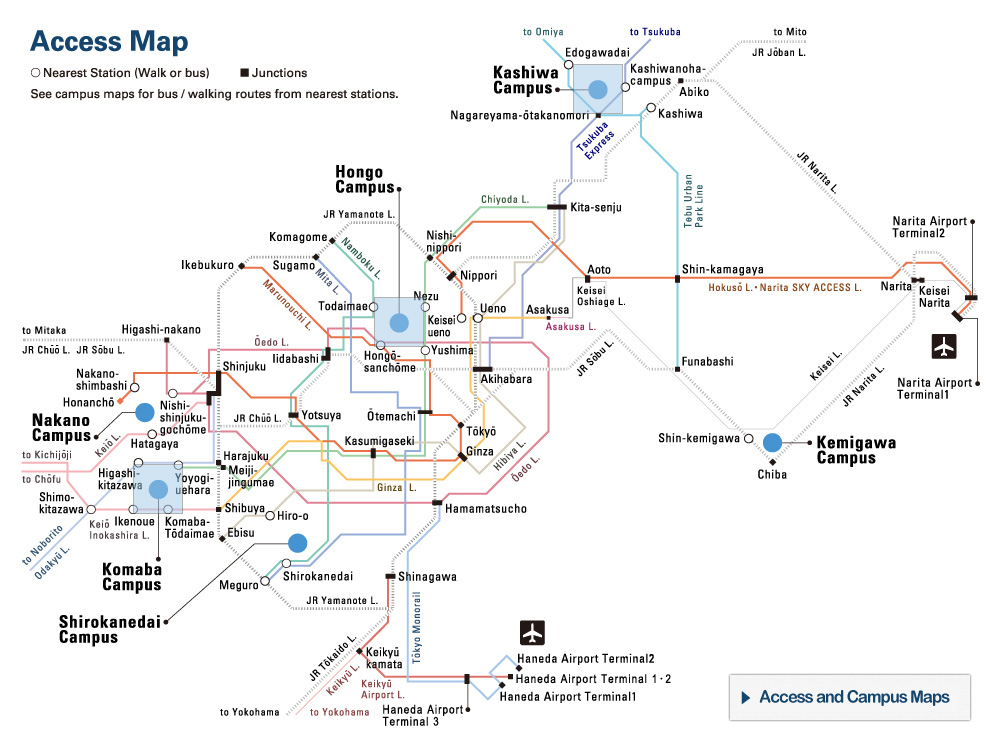
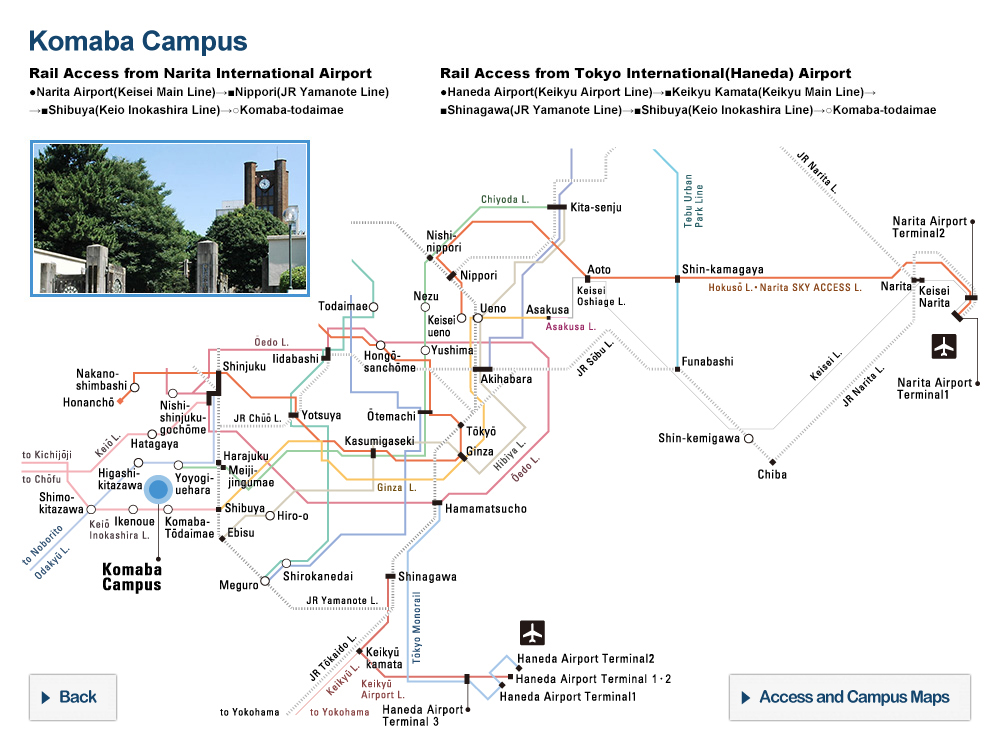
| Location | Komaba Area Campus |
| Venue | 2nd Floor Conference Hall, Building Number 4, Komaba II Research Campus |
| Capacity | 102 people |
| Entrance Fee | No charge |
| Registration Method | Advance registration required
Please register via Google form |
| Registration Period | February 13, 2026 — February 18, 2026 |
| Contact | akira-igata@g.ecc.u-tokyo.ac.jp |
 The Economic Security Intelligence Lab (ESIL) at the Research Center for Advanced Science and Technology (RCAST), the University of Tokyo, and the Embassy of Iceland in Tokyo are honored to co-host a public symposium titled:
[Symposium featuring the Foreign Minister of Iceland]
Japan–Iceland Cooperation on Economic Security:
Bridging the Arctic and the Indo-Pacific
At this symposium, we are honored to welcome H.E. Þorgerður Katrín Gunnarsdóttir, Minister for Foreign Affairs of Iceland, to discuss the future potential of Japan–Iceland relations, primarily from the perspective of economic security. Minister Gunnarsdóttir has previously served as Minister of Education, Science, Sport and Culture (2003-2009); Minister of Fisheries and Agriculture (2017); and Acting Prime Minister. Drawing on her broad policy experience and strategic insight, the symposium will explore new possibilities for Japan–Iceland cooperation with a view toward both the Arctic and the Indo-Pacific.
Japan and Iceland share fundamental values such as democracy and the rule of law. Building on this foundation, the two countries have deepened cooperation across a wide range of areas, including the maintenance of the free trade system, the stable supply of strategic goods, and energy collaboration leveraging advanced technologies.
In particular, in the Arctic, Japan has become an important partner for Iceland through scientific cooperation and environmental protection efforts within the framework of the Arctic Council. The reduction of sea ice due to climate change is increasing the potential use of Arctic sea routes, while also expanding the scope of fisheries and other economic activities. These developments have heightened international attention to resource management and monitoring frameworks, and have made institutional responses to ensure marine environmental protection and the sustainability of biological resources ever more critical. As a result, discussions surrounding the Arctic now intersect not only with environmental cooperation but also with broader questions of regional security and the future of international order.
Moreover, the Arctic region and its surrounding areas are rapidly gaining importance from the perspective of economic security. Undersea infrastructure, including undersea cables, forms a critical foundation for global economic activity and information networks. Ensuring their protection and stable operation is directly linked to the resilience of supply chains and data flows. At the same time, growing attention is being directed toward the Arctic’s mineral and rare resource reserves. These materials are indispensable for advanced technologies and clean energy industries. As supply chain risks associated with economic coercion by states become increasingly apparent, the importance of diversifying and securing stable sources of supply has been widely emphasized at the international level. In addition, cooperation in geothermal and other clean energy sectors offers a promising model for leveraging the strengths of both countries, demonstrating how sustainability and economic security can be mutually reinforcing.
This symposium will examine, from the perspective of linking the Arctic and the Indo-Pacific as two strategic spaces, how cooperation among value-sharing partners can contribute to regional stability and economic resilience. In an era of accelerating geopolitical change, it will provide an opportunity for multifaceted discussion on the role that Japan–Iceland relations can play in shaping a stable and sustainable international order.
Opening remarks:
Ambassador Hreinn Pálsson (Iceland’s Ambassador to Japan)
Keynote speech:
H.E. Þorgerður Katrín Gunnarsdóttir (Minister for Foreign Affairs of Iceland)
Moderator:
Akira Igata (Project Lecturer, RCAST, The University of Tokyo)
This seminar will be conducted in English.
Notes for participants
- For security reasons, no dangerous materials or food/beverages are allowed inside the venue. Please follow staff guidance throughout the event.
- Please present your valid photo ID (e.g., student ID or driver’s license) at the reception desk on the day of the event. For security reasons, participants who do not provide complete and accurate information regarding their identity, affiliation, and position may not be admitted.